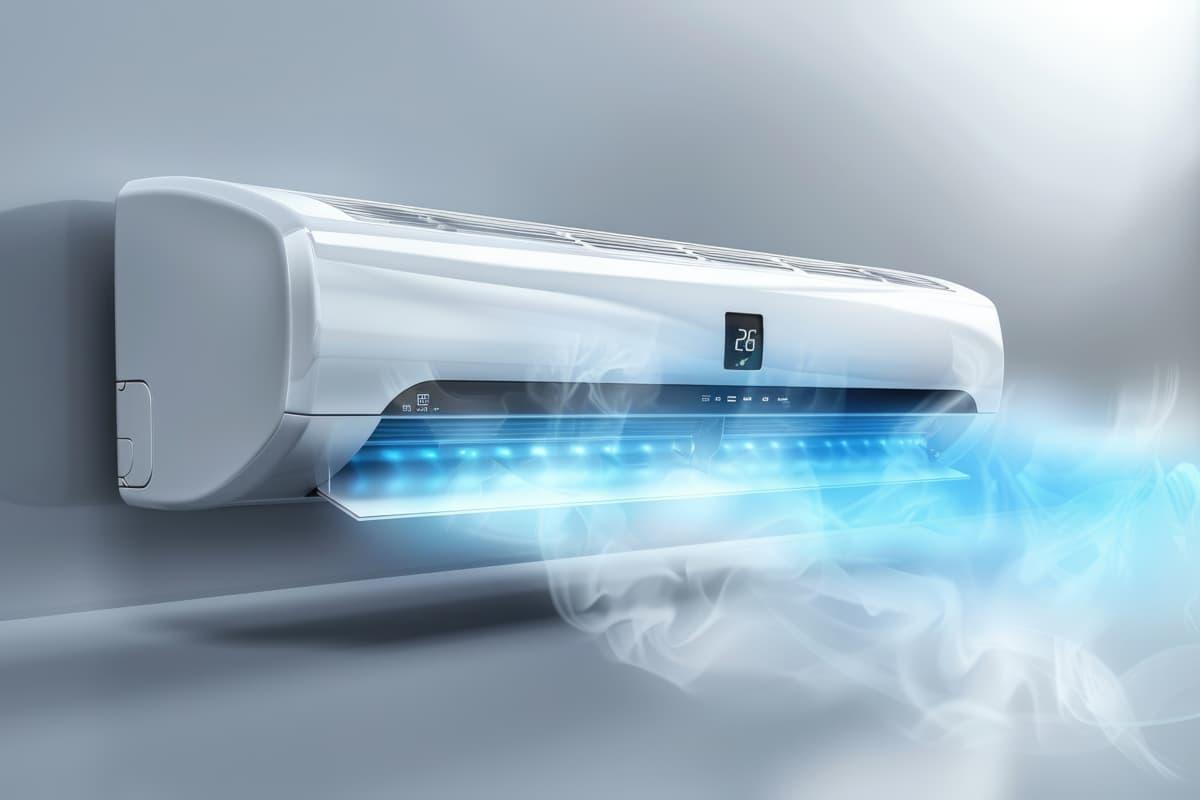
As summer temperatures in Bangladesh increasingly soar past 40°C, coupled with stifling humidity levels that often exceed 80%, the "real feel" indoors can become unbearable. This shifting climate of Bangladesh has transformed the air conditioner from a status symbol into a fundamental tool for survival and well-being. High heat isn't just uncomfortable; it directly impacts your cognitive function, sleep quality, and cardiovascular health.
Investing in home comfort solutions is now a strategic move for productivity and family health. Modern, energy-efficient cooling units do more than lower the temperature; they regulate moisture and filter out urban pollutants, creating a sanctuary against the external elements. For those seeking reliability, Rangs eMart stands as a trusted destination, offering authentic global electronics designed to withstand local power conditions. Choosing the right AC means reclaiming your home’s environment, ensuring that your living space remains a place of rest rather than a heat trap.
Understanding Your Needs: Types of Air Conditioners in BD
Split ACs: The Modern Standard
Split air conditioners are the most popular choice for Bangladeshi households and modern apartments. This system consists of two units: an indoor evaporator and an outdoor compressor. Because the noisy components stay outside, they offer incredibly quiet operation, making them perfect for bedrooms and study rooms. They are sleek, aesthetically pleasing, and provide superior air distribution through swing louvers.
Window ACs: Budget-Friendly Reliability
If you are looking for a cost-effective, "all-in-one" solution, the Window AC remains a sturdy contender. These units house all components in a single chassis and are installed through a window or a dedicated wall hole. While they can be slightly noisier than split models, they are generally easier to install and maintain, making them ideal for smaller rooms or older buildings with existing wall cutouts.
Cassette & Ceiling ACs: Power for Large Spaces
For sprawling drawing rooms, office spaces, or commercial showrooms, Cassette ACs are the gold standard. These units are mounted flush against the ceiling, distributing air in four directions (360-degree cooling). This ensures there are no "hot spots" in a large area. Ceiling-suspended models are also available for spaces without false ceilings, offering high-capacity cooling without occupying wall or floor space.
Portable ACs: Versatile and Mobile
Portable ACs are a niche but growing segment in Bangladesh, favored by renters or those who need cooling in rooms where permanent installation is restricted. These floor-standing units can be moved from room to room and only require a window kit for the exhaust hose. They provide immediate relief and are an excellent temporary cooling solution.
If you are wondering, "What is the best AC type for a small bedroom in Dhaka?" a 1-ton Split AC is typically the most efficient choice for noise reduction and energy savings.
Capacity Guide: Calculating the Right Tonnage
Selecting an AC with the wrong cooling capacity is a common mistake that leads to either insufficient cooling or astronomical electricity bills. In the HVAC world, capacity is measured in BTU (British Thermal Units), which are then converted into "Tons." In Bangladesh’s tropical climate, a standard room size calculator must be adjusted for higher thermal loads.
The Square Footage Formula
As a general rule for Bangladeshi homes, you need approximately 25 BTU per square foot. To determine your base requirement, multiply your room's length by its width (in square feet) and then multiply by 25. Divide that total by 12,000 (since 1 Ton = 12,000 BTU) to get your tonnage.
| Room Size (Sq. Ft.) |
Recommended Capacity |
BTU Rating |
| Up to 120 sq. ft. |
1.0 Ton |
12,000 BTU |
| 121 – 180 sq. ft. |
1.5 Ton |
18,000 BTU |
| 181 – 250 sq. ft. |
2.0 Ton |
24,000 BTU |
| 251 – 350 sq. ft. |
2.5 Ton |
30,000 BTU |
Adjusting for Environmental Factors
Numbers on a chart don't account for the unique thermal load of a Dhaka apartment. You must "size up" (add 0.5 Ton) if your room falls into these categories:
-
Top-Floor Rooms: Direct roof heating can increase the heat load by 20%.
-
Large West-Facing Windows: Afternoon sun in Bangladesh is intense; glass windows act like a greenhouse.
-
High Occupancy: If a living room regularly holds 4+ people, each person adds about 600 BTU of heat.
-
High Humidity: Since an AC must work harder to dehumidify the air before it can effectively lower the temperature, an undersized unit will run indefinitely without reaching your target cooling.
Inverter vs. Non-Inverter: The Long-Term Savings Debate
When shopping for an air conditioner in Bangladesh, the most critical decision you will face is choosing between inverter and non-inverter technology. While the initial price tag may differ, the long-term impact on your wallet and comfort is substantial.
Technology Breakdown: Speed vs. Cycles
The fundamental difference lies in how the compressor, the heart of the AC, operates. A non-inverter AC works on an "all or nothing" principle. The compressor runs at full speed until the desired temperature is reached, then shuts off completely. When the room warms up, it kicks back in at full power.
Conversely, inverter technology uses a variable-speed drive. Once the set temperature is achieved, the compressor slows down to a minimum speed to maintain that temperature without stopping. This avoids the high-energy "startup spikes" associated with non-inverter models.
Electricity Consumption in the Bangladeshi Context
Given the tiered electricity tariff rates in Bangladesh, energy efficiency is paramount. On average, an inverter AC can reduce electricity consumption by 30% to 50% compared to a non-inverter unit. For a typical household running an AC for 8 hours a day during the sweltering months of April to September, this can translate to a saving of 1,500 to 2,500 BDT per month on your DESCO or DPDC bill.
Durability and Noise Levels
Because inverter compressors do not constantly turn on and off, they experience less mechanical wear and tear, often resulting in a longer lifespan. Furthermore, the variable-speed operation makes inverter units significantly quieter. While a non-inverter unit produces a noticeable "clunk" and hum every time it starts, an inverter AC maintains a whisper-quiet, steady state, which is ideal for light sleepers.
Energy Efficiency Ratings
To ensure you are making a data-backed choice, look for the SEER (Seasonal Energy Efficiency Ratio) or star ratings. A higher SEER rating indicates better efficiency. In the local market, high-end inverter models often feature advanced sensors that detect human presence, further optimizing power usage. While a non-inverter AC is cheaper upfront, the "total cost of ownership" over 5 years typically favors the inverter model due to cumulative energy savings and reduced maintenance needs.
Critical Features for the Bangladeshi Climate
Bangladesh’s environment presents a unique set of challenges for any cooling system, from high salinity in coastal regions and intense urban pollution to extreme humidity and an unpredictable power grid. To ensure your investment lasts more than a couple of seasons, you must look beyond basic cooling and focus on these four climate-specific features.
Anti-Corrosion Coating
In a country with high humidity and rising pollution, the internal copper coils of an AC are prone to "formicary corrosion." Look for units equipped with "Golden Fin" or "Blue Fin" technology.
-
Blue Fin: This is a hydrophilic coating that prevents water droplets from accumulating on the condenser fins, allowing them to slide off. This prevents rust and improves heat exchange efficiency.
-
Golden Fin: Often considered a step up, this gold-plated anti-corrosion coating is particularly effective in coastal areas (like Chittagong or Cox’s Bazar) where salt air can eat through standard aluminum or copper in months.
Air Purification
Dhaka and other major cities in Bangladesh frequently rank high on global air pollution indices. Modern ACs now act as the first line of defense for your respiratory health. Prioritize models featuring HEPA filters to trap PM2.5 particles and Ionizers (or Cold Plasma technology). Ionizers release negatively charged ions that attach to airborne dust, bacteria, and allergens, causing them to settle so they can be filtered out, effectively scrubbing the air while cooling it.
Voltage Stabilizer Compatibility
Power surges and low-voltage scenarios are common occurrences in the Bangladeshi power grid. While many modern inverter ACs claim to have "S-Voltage" or built-in stabilizers, their range is often limited (typically 150V–260V). If you live in an area with frequent "dimming" or spikes, ensure your AC is compatible with an external digital stabilizer. This prevents the sensitive printed circuit boards (PCBs) of an inverter unit from frying during a sudden surge.
Dehumidification (Dry Mode)
During the Bangladeshi monsoon, the air often feels "sticky" even if it isn't particularly hot. This is due to high humidity levels, often exceeding 85%. Using the standard "Cool Mode" can lead to over-cooling and high energy use. Instead, utilize the Dehumidification or "Dry Mode." In this setting, the AC focuses on removing moisture from the air without aggressively lowering the temperature. This prevents mold growth on your walls and furniture while maintaining a crisp, comfortable indoor environment at a lower electricity cost.
Top AC Brands in Bangladesh: Quality and Reliability
Navigating the AC market in Bangladesh requires balancing high-performance cooling with long-term reliability. Brands are generally categorized into premium global leaders and value-for-money champions, each offering distinct advantages for different household budgets.
Premium Global Brands
For those prioritizing cutting-edge innovation and maximum energy savings, global giants like LG, Samsung, and Panasonic lead the way.
-
LG: Renowned for its Dual Inverter Compressor technology, LG units are among the quietest and most efficient. Their 2026 models feature AI+ cooling that adapts to your room's thermal load and "Ocean Black" anti-corrosion protection, making them exceptionally durable for Dhaka's polluted environment.
-
Samsung: Samsung stands out with its WindFree™ cooling technology, which disperses air through thousands of micro-holes to eliminate harsh cold drafts. Their units often include integrated Wi-Fi and advanced PM1.0 filters for superior air purification.
-
Panasonic: A favorite for longevity, Panasonic’s 2026 line features nanoe™ X technology, which inhibits pollutants and odors. Their "Eco-Tough" outdoor casings are specifically designed to resist the rust-prone climate of Bangladesh.
Value-for-Money Brands: High Performance, Lower Entry Cost
If you are looking for powerful cooling without the premium price tag, several brands offer excellent reliability and modern features.
-
Kelvinator & Whirlpool: These brands are celebrated for their "heavy-duty" performance. Kelvinator, in particular, offers widely popular Golden Fin inverter models that are specifically built to handle the frequent power fluctuations and high humidity of the region.
-
Gree & Haier: Gree is currently one of the best-selling brands in BD due to its vast service network and affordable inverter range. Haier’s "Self-Clean" technology is a major selling point for busy urban dwellers who want to reduce maintenance frequency.
Quick Comparison Table (2026 Market Standards)
| Brand Tier |
Top Brands |
Avg. Price (1.5 Ton Inverter) |
Warranty (Compressor) |
Key Highlight |
| Premium |
LG, Samsung, Panasonic |
85,000 - 125,000 BDT |
10 Years |
AI Cooling & WindFree Tech |
| Mid-Range |
Sharp, General, Gree |
65,000 - 85,000 BDT |
5 - 10 Years |
High Durability & Fast Cooling |
| Value |
Kelvinator, Haier, Midea |
45,000 - 65,000 BDT |
5 - 10 Years |
Budget-Friendly & Smart Wi-Fi |
Note: Prices are estimates based on 2026 market trends and may vary depending on specific model features and seasonal offers.
Installation and Maintenance Essentials
Purchasing a high-quality air conditioner is only half the battle. To ensure your unit survives the grueling Bangladeshi summers, proper setup and consistent upkeep are non-negotiable. Neglecting these can lead to a 30% drop in efficiency within the first year alone.
Professional Installation: Why DIY is Risky
While a DIY approach might seem tempting to save on initial costs, copper pipe installation and electrical wiring for ACs are precision tasks. A professional HVAC technician ensures the indoor unit is perfectly level; even a slight tilt can cause water to back up and leak into your room. Furthermore, most global brands sold in Bangladesh will void your compressor warranty if the unit isn't installed by a certified service provider. Professionals also use specialized vacuum pumps to remove moisture from the refrigerant lines, a step often skipped in amateur setups that leads to premature compressor failure.
Pre-Summer Servicing
Before the "Heatwave" headlines hit the news, perform a seasonal maintenance check to ensure your AC is ready for 24/7 operation.
-
Filter Cleaning: Wash your indoor filters every 15 days during peak summer. In dusty cities like Dhaka, this is the #1 way to maintain airflow.
-
Condenser Check: Ensure the outdoor unit is free from debris, bird nests, or dust buildup.
-
Refrigerant Levels: If the air isn't as cold as last year, you may need an AC gas refill. However, a "gas charge" is rarely a standalone fix; a professional should always check for leaks first.
Common Issues in High Humidity
Bangladesh’s 80%+ humidity levels often cause specific technical hiccups.
-
Water Leakage: Usually caused by a clogged drain pipe. Dust mixes with condensation to create a "sludge" that blocks the pipe. Flushing the line with a water-bleach solution can often clear this.
-
Ice Formation: If you see ice on the indoor coils, it’s a sign of either a very dirty filter or low refrigerant. Turn the unit off immediately to prevent the motor from burning out.
-
Cooling Drops: During extreme 42°C+ days, your AC might struggle. Avoid setting the temperature to 16°C; instead, keep it at a steady 24–26°C to prevent the compressor from overworking and tripping the circuit breaker.
Budgeting and Financing
Navigating the financial side of buying an air conditioner in Bangladesh requires looking beyond the initial price tag. To make a truly "smart" purchase, you must balance the upfront cost with long-term operational expenses and available financing tools.
Price Ranges: What to Expect in 2026
The cost of an AC in the current market varies significantly based on tonnage and technology. As of early 2026, here is the general pricing landscape for 1.5-ton units, the most common size for Bangladeshi bedrooms:
-
Budget/Non-Inverter: ৳48,000 – ৳65,000. These offer high cooling power but higher running costs.
-
Mid-Range Inverter: ৳64,000 – ৳85,000. Popular brands like Gree and Haier fall here, offering a balance of efficiency and features.
-
Premium Global Inverter: ৳85,000 – ৳135,000+. Brands like LG, Samsung, and Panasonic lead this segment with advanced AI and air purification technologies.
EMI and Exchange Offers
To make high-end cooling more accessible, RANGS eMart and other major retailers offer extensive EMI (Equated Monthly Installment) facilities. Most major banks in Bangladesh provide 0% interest EMI for up to 12 months, allowing you to bring home a premium inverter AC for as little as ৳5,000–৳7,000 per month. Additionally, keep an eye out for "Exchange Offers," where you can trade in your old, energy-hungry non-inverter unit for a significant discount on a new, eco-friendly model.
The "Total Cost of Ownership"
The sticker price is only one part of the equation. In Bangladesh, where electricity is billed on a tiered "slab" system, an inefficient AC can cost you dearly.
- Running Costs: At an average rate of ৳8–৳10 per unit, a 1.5-ton non-inverter AC running 8 hours daily can add ৳3,200+ to your monthly bill. An inverter model typically reduces this to ৳1,800–৳2,200.
-
Payback Period: While an inverter AC might cost ৳10,000 more upfront, the electricity savings usually "pay back" that difference within just two summer seasons. Investing more now ensures a significantly lower burden on your monthly household budget for the next decade.
Choosing Your Ideal Cooling Partner
Selecting the perfect air conditioner for the unique climate of Bangladesh is an investment in your family’s long-term comfort and productivity. To ensure you make the right choice, always follow this essential buyer’s checklist: first, determine the correct Size (Tonnage) based on your room's thermal load; next, select the Type (Inverter vs. Non-Inverter) that fits your budget; then, choose a Brand known for reliability in high humidity; and finally, ensure you have access to professional Service and authentic parts.
When you are ready to make your purchase, visiting Rangs eMart ensures you are getting 100% authentic global electronics. From industry-leading brands like Samsung and LG to value-driven options from Kelvinator and Hisense, they provide official brand warranties and expert installation services across Bangladesh. Many models even come with specialized anti-corrosion coatings and AI-driven energy saving, helping you beat the heat without breaking the bank.
Frequently Asked Questions
Which AC brand is best for a 120 sq ft bedroom in Bangladesh?
A 1-ton Inverter AC is ideal. Top 2026 picks include the LG Dual Inverter for quietness, or Gree and Haier for robust cooling and value.
How much electricity does a 1.5-ton inverter AC consume per month?
Running 8–10 hours daily, it consumes roughly 280–350 units (kWh). At average local rates, this costs between ৳2,800 and ৳3,500 per month.
Do I need a voltage stabilizer for a modern inverter AC?
Usually no, as most 2026 models (Samsung, LG, etc.) have built-in S-UTR stabilizers. However, if your area has extreme voltage drops below 150V, an external 4kVA digital stabilizer is recommended.
What is the difference between 3-star and 5-star energy ratings?
A 5-star AC is roughly 20–30% more efficient than a 3-star model. While more expensive upfront, it offers the lowest monthly electricity bills for long-term use.

 RANCON
 Sharp
Sharp
 LG
LG
 Bosch
Bosch
 Samsung
 Toshiba
 Hitachi
 Midea
Midea
 Whirlpool
 Hisense
 Haier
Haier
 Oraimo
 Toshin Rancon
 Kemei
Kemei
 VGR
VGR
 Gazi
Gazi
 Miyako
 Philips
 Panasonic
 Pureit
 Rahimafrooz
 De'Longhi
 Rizco
Rizco
 Super Star
 Realme
 Sony
Sony
 RedSwiss
 Tesy
Tesy
 Qulik
Qulik
 Atomberg
 Amazfit
 Anker
Anker
 Apple
Apple
 Havells
 Haylou
 JBL
JBL
 Kieslect
 OnePlus
 Wiwu
Wiwu
 Xiaomi
 ACEFAST
 EarFun
 Tecno
Tecno
 TOZO
TOZO
 Tribit
 Livpure
 W-KING
 Pigeon
 FONENG
 Kospet
 ECOFLOW
 VIVO
VIVO
 Tefal
Tefal
 Oppo
Oppo
 LUMINOUS
 PAK FAN
 Recci
Recci
 Nothing
 Hoco
Hoco
 Hindware
 CARON
CARON
 Orient
 MIRA
MIRA
 TQIU
TQIU
 UGREEN
 YAMAHA
 Decakila
 TOTAL
TOTAL