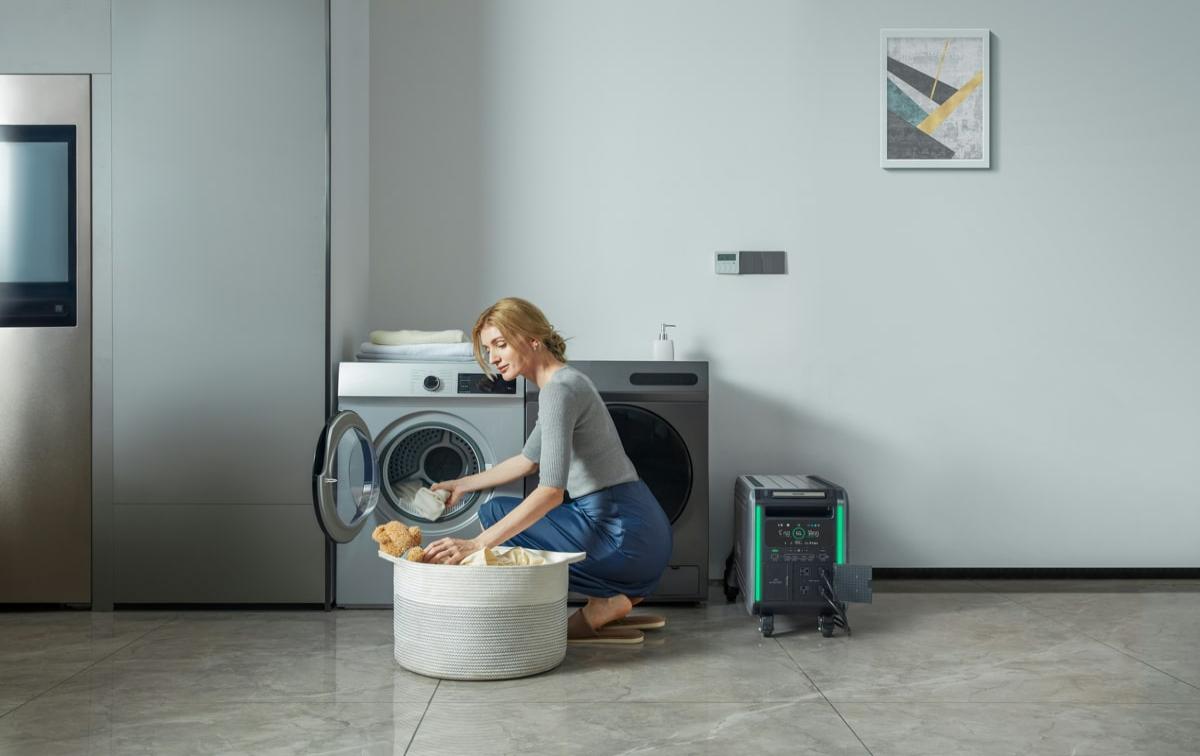
A washing machine is one of the most-used appliances in any Bangladeshi household yet most people only think about it when it breaks down. By then, the repair bill is already painful.
Here's the truth: Modern washing machines have a harder life than in most other countries. Our water is mineral-heavy, which slowly clogs the drum and heating elements. The heat and humidity, especially from June to October, encourage mould to grow inside the machine. And frequent voltage fluctuations and load-shedding quietly damage the motor and circuit board over time.
The good news? A little regular care goes a long way. Washing machine maintenance simply means cleaning, checking, and protecting your machine on a routine basis so it runs smoothly for years without expensive repairs.
Why Washing Machine Maintenance Matters More in Bangladesh
Bangladesh is a completely different story and your washing machine feels every bit of it.
Hard water is one of the biggest culprits. Most city tap water and borehole water in Bangladesh contains high levels of calcium and magnesium. Over time, these minerals build up inside the drum, pipes, and heating element as a chalky white layer called limescale quietly reducing efficiency and eventually causing breakdowns.
Then there's humidity. From April to September, the heat and moisture create the perfect conditions for mould and mildew to grow inside the drum, especially around the door seal. That musty smell from your laundry? That's usually the machine, not the clothes.
Voltage fluctuation and sudden load-shedding are hard on the motor and circuit board, two of the most expensive parts to replace.
And in the dry season (November to February), dust settles into vents and filters faster than you'd expect.
The difference is significant: a well-maintained washing machine in Bangladesh can last 10 to 12 years. Without care, many machines start failing within 4 to 5 years often from problems that a simple monthly clean could have prevented.
Beyond saving money, regular maintenance also reduces the risk of electrical faults, something worth taking seriously with any appliance connected to water and power.
How Often Should You Maintain Your Washing Machine?
Most people wait until something goes wrong. But washing machine care is actually simple when you break it into a routine: a few minutes here and there is all it takes.
Here's a quick schedule to follow:
After every wash, wipe the door seal with a dry cloth and leave the door slightly open. This stops moisture from trapping inside and causing that unpleasant smell.
Every week pull out the detergent drawer and give it a quick rinse. Also make a habit of checking pockets before loading coins and hair clips are the number one cause of filter blockages in Bangladesh.
Every month run an empty drum-clean cycle and clean the lint or coin trap filter. This one habit alone can prevent most drainage problems.
Every 3 months Descale the machine using white vinegar or citric acid to remove hard water build-up. Check the inlet hoses for any cracks or leaks while you're at it.
Once a year Book a professional service check. A technician can inspect the motor, belt, and drum bearings before a small issue quietly becomes a big repair bill.
Step-by-Step Washing Machine Maintenance Guide
This is where the real work happens but don't worry, none of these steps require any special skills or tools. Just a little time and consistency.
1. Clean the Drum Regularly
Over time, detergent residue, body soil, and hard water deposits build up inside the drum even if you can't see them. This is usually the reason clothes start smelling stale even after a full wash.
Once a month, run an empty hot cycle with two tablespoons of baking soda and half a cup of white vinegar poured directly into the drum. If you prefer a ready-made option, Dettol Washing Machine Cleaner and Finish Machine Cleaner are both available in Bangladesh and work well. Many newer machines also have a dedicated "drum clean" or "self-clean" button.
This one habit does more for odour removal than any amount of fabric softener.
2. Descale for Hard Water Build-Up
If you live in Dhaka, Chattogram, or anywhere that relies on borehole or municipal water, your machine is dealing with hard water every single day. That water carries dissolved minerals which slowly coat the inside of the drum, pipes, and in front-loaders the heating element. You may notice white, chalky deposits around the door or on the drum walls. That's limescale.
Left untreated, it forces the machine to work harder, uses more electricity, and eventually damages the heating element, one of the most expensive parts to replace.
Every three months, pour two cups of white vinegar or dissolve two tablespoons of citric acid powder in water and run an empty hot cycle. It's one of the most cost-effective ways to protect your machine from hard water damage.
3. Clean the Lint Filter / Coin Trap
This small filter catches everything that comes out of your clothes during washing lint, hair, coins, tissue paper scraps. When it gets blocked, water can't drain properly, and the motor has to work harder to compensate. In Bangladesh, where most households wash daily, this filter fills up faster than you'd expect.
Finding it:
-
On front-loaders, it's usually behind a small panel at the bottom front of the machine.
-
On top-loaders, it's either along the rim of the drum or around the agitator (the central spindle).
How to clean it:
-
Turn the machine off and unplug it.
-
Place an old towel on the floor below the filter panel.
-
Slowly unscrew or pull open the cap some water will spill out, which is normal.
-
Remove any debris, rinse the filter under tap water, and screw it back in firmly.
Do this every month and you'll avoid most drainage problems before they start.
4. Inspect and Clean the Detergent Drawer
Pull out the detergent drawer completely; most drawers slide straight out with a press on a small tab. What you'll often find is a build-up of old detergent, fabric softener residue, and sometimes black mould along the edges and compartments.
Soak the drawer in warm water for 10 minutes, then scrub it clean with an old toothbrush. Also wipe inside the drawer slot in the machine itself, as mould often grows there too.
One more thing worth mentioning: many households in Bangladesh use far more detergent than needed, assuming more soap means cleaner clothes. It actually causes the opposite problem: excess detergent leaves residue on clothes and clogs the drawer and drum. Always follow the amount marked on the detergent packet for your load size.
5. Check Water Inlet Hoses and Tap Connections
The rubber hoses connecting your machine to the water tap don't last forever and a small crack or loose connection can quietly drip water behind the machine for weeks before you notice.
Every three months, pull the machine slightly forward and check the hoses for any cracks, kinks, or white calcium crust forming around the connectors. If a hose feels stiff or brittle, it's time to replace it. Rubber inlet hoses typically last 3 to 5 years.
In Bangladesh, water pressure from the supply line can sometimes be irregular surging high when the pump kicks in. This puts extra stress on those joints, so it's worth checking these connections more frequently than the standard global advice suggests.
6. Level the Machine Properly
This one gets overlooked almost everywhere but it matters a lot. If your machine isn't sitting level on the floor, it vibrates excessively during the spin cycle. Over time, that vibration wears down the drum bearings, which are costly to replace.
This is especially common in Dhaka and Chattogram apartments, where bathroom and utility floors are sometimes uneven or slightly sloped for drainage.
Check if your machine rocks when you push it at the corners. Most machines have adjustable feet at the bottom that you can twist up or down by hand to level it out. For extra protection, place an anti-vibration mat underneath; they're inexpensive and widely available at electronics markets in Elephant Road and New Market, Dhaka.
Maintenance Tips Specific to Bangladesh's Climate
Generic appliance advice rarely accounts for what it's actually like to run a washing machine through a Dhaka monsoon or a Rajshahi winter. Here's what to do across Bangladesh's different seasons and conditions.
During the monsoon season (June–October)
This is the hardest time of year for your machine. The air is thick with moisture, and that humidity gets trapped inside the drum every time you close the door after a wash. Always leave the drum door open for at least an hour after each cycle this lets the inside dry out and stops mold from forming.
Check the rubber door seal every week during this period. Run your finger along the inner fold of the seal if you feel or see black spots, that mould starting to grow. Wipe it down with a diluted white vinegar solution immediately. If you have a small dehumidifier in your utility room or bathroom, running it nearby during the monsoon months makes a real difference.
During the dry and winter season (November–February)
Dust becomes the main problem. It settles into the exterior vents at the back and sides of the machine, and into the drain outlet area. Once a month during this season, wipe down the vents with a dry cloth and check that the drain outlet hasn't collected dust or debris that could block water flow.
Load-shedding and voltage fluctuation
This is one of the most overlooked causes of washing machine failure in Bangladesh. When power cuts and returns suddenly, or when voltage surges during peak hours, the circuit board of the electronic brain of the machine takes the hit. Replacing a damaged circuit board can cost ৳3,000 to ৳8,000 or more depending on the brand.
A good automatic voltage stabiliser (AVS) is the simplest protection you can buy. Walton and Rahimafrooz both make reliable stabilisers widely available across Bangladesh, starting from around ৳2,500. Plug your washing machine through one and it will quietly absorb voltage spikes before they reach the machine.
When water supply is irregular
Many households in Bangladesh deal with water coming in at odd hours or with low pressure. Avoid running a wash cycle when the tank is nearly empty or when supply is weak. Starting a cycle without enough water stresses the pump and can cause it to run dry, a common and avoidable cause of pump failure.
Front Load vs Top Load — Does Maintenance Differ?
If you're already maintaining a washing machine, or thinking about buying a new one, this question comes up a lot: does it matter which type you own when it comes to upkeep?
The short answer is yes not dramatically, but enough to know before you decide.
|
Maintenance Task
|
Front Load
|
Top Load
|
|
Door seal cleaning
|
Critical — mould builds up easily in the rubber fold
|
Less critical — open top allows better airflow
|
|
Drum cleaning cycle
|
Every month
|
Every 5–6 weeks
|
|
Lint filter location
|
Bottom front access panel
|
Along drum rim or around agitator
|
|
Descaling need
|
Higher — has a heating element that limescale attacks
|
Moderate
|
|
Levelling sensitivity
|
Very high — vibrates badly if even slightly off
|
Moderate
|
Which is easier to maintain in Bangladesh?
Honestly, top-loaders are more forgiving in Bangladesh's conditions. The open-top design allows the drum to air out naturally, which reduces mould risk during the monsoon season. The lint filter is easier to access, and they're generally less sensitive to the voltage fluctuations that can stress a front-loader's more complex electronics.
That said, front-loaders from brands like Samsung, Walton, and Whirlpool all widely available in Bangladesh use significantly less water per cycle, which matters in areas with irregular supply. Singer's top-load range remains popular for its straightforward maintenance and lower repair costs in smaller towns and districts where specialised technicians are harder to find.
If ease of maintenance is your priority, a top-loader is the more practical choice for most Bangladeshi households. If water efficiency and washing performance matter more, a front-loader is worth the extra care it requires.
Common Washing Machine Problems in Bangladesh (and How Maintenance Prevents Them)
Most washing machine problems don't appear without warning; they build up slowly over weeks or months of small neglect. The good news is that nearly every common issue has a simple, preventable cause.
If any of these sound familiar, you're not alone:
|
Problem
|
What's Actually Causing It
|
How to Prevent It
|
|
Foul smell from drum
|
Mould and old detergent residue trapped inside
|
Monthly drum clean cycle; always leave door open after washing
|
|
Excessive vibration during spin
|
Machine isn't sitting level, or bearings are wearing down
|
Adjust the feet until level; place an anti-vibration mat underneath
|
|
Water not draining properly
|
Lint filter is blocked with hair, coins, or debris
|
Clean the filter every month — takes less than 5 minutes
|
|
Sudden error codes or machine stopping mid-cycle
|
Voltage spike or load-shedding has damaged the circuit board
|
Use a voltage stabiliser; never run the machine during unstable power
|
|
Water leaking from the back
|
Inlet hose has cracked or the connection has loosened
|
Inspect hoses every 6 months; replace rubber hoses every 3–5 years
|
|
White chalky marks left on dark clothes
|
Hard water limescale building up inside the drum
|
Descale every 3 months; consider water softener tablets in the drum
|
A pattern worth noticing
Look at that list again almost every problem comes back to three things: hard water, humidity, and voltage issues. These are Bangladesh-specific realities, and they're exactly why the maintenance habits in this guide matter more here than anywhere else.
The drum smell that won't go away, the spin cycle that shakes the whole bathroom, the machine that trips the circuit breaker these aren't signs of a faulty machine most of the time. They're signs of a machine that needed a little attention a few months earlier.
Catching these things early is almost always cheaper and easier than fixing them after the fact.
When to Call a Professional Technician
Regular maintenance you can absolutely handle yourself but some signs mean it's time to step back and call someone who knows the machine from the inside out.
Get a technician if you notice any of these:
-
A grinding or rumbling noise during the spin cycle this usually points to worn drum bearings
-
A burning smell at any point during a wash stop the machine immediately and unplug it
-
The machine keeps flashing error codes that don't clear after a restart
-
Your front-loader is running but not heating the water properly, leaving clothes unwashed despite a full cycle
These aren't problems that cleaning or descaling will fix. And with anything involving the motor, circuit board, or internal wiring, please don't attempt to open the machine yourself; water and electricity together make this genuinely dangerous without proper training and tools.
Where to get help in Bangladesh:
A standard diagnostic check usually costs depending on the brand and your location. Knowing that upfront means no unpleasant surprises when the technician arrives.
Recommended Products for Washing Machine Maintenance in Bangladesh
You don't need expensive imported products to keep your machine in good shape. Most of what you need is either already in your kitchen or available within a few clicks or a short trip to the market.
Drum cleaner Dettol Washing Machine Cleaner and Finish Machine Cleaner tablets are the easiest options.
White vinegar and citric acid These are your best friends for descaling. White vinegar is available at any local grocery shop for around ৳30–৳50 per litre. Citric acid powder is slightly harder to find in physical stores at very reasonable prices.
Anti-vibration mat If your machine shakes during spin cycles, an anti-vibration mat placed underneath absorbs most of the movement and protects the floor. You'll find these at electronics and hardware shops in Elephant Road and New Market, Dhaka and on most online platforms.
Voltage stabiliser This is the one investment that protects everything else. Rahimafrooz, Walton AVS, and Energypac all make reliable automatic voltage stabilisers suited for home appliances. Prices start from around ৳2,500 and they're available nationwide.
Water softener tablets If your area has particularly hard water and you're noticing white marks on clothes regularly, water softener tablets added directly to the drum can help.
Final Thoughts
Keeping your washing machine running well doesn't require much, just a little consistency in the right places.
If you take nothing else from this guide, remember these three habits: clean the drum every month, protect the machine with a voltage stabiliser, and clear the lint filter regularly. These three things alone will add years to your machine's life and save you from the repair bills that catch most people by surprise.
Think of it this way spending ৳200 on a drum cleaner each month costs far less than a ৳15,000 repair or an early replacement that could have been avoided entirely.
Your washing machine works hard for your family every day. A small amount of care in return goes a long way.
If you're still deciding which machine to buy, our guides on choosing the right washing machine in Bangladesh and front load vs top load - which is right for you are good places to start.
Frequently Asked Questions
Q: Can I use natural kitchen ingredients to clean and descale my machine?
A:Yes! You don't need expensive imported products. For a monthly drum clean, you can pour two tablespoons of baking soda and half a cup of white vinegar directly into the drum and run an empty hot cycle. For the 3-month deep descaling, dissolve two tablespoons of citric acid powder or use two cups of white vinegar in an empty hot cycle to clear out tough hard-water minerals.
Q: Why is my washing machine vibrating excessively during the spin cycle, and how do I fix it?
Excessive shaking is usually caused by an uneven or slightly sloped floor, which is very common in Dhaka and Chattogram apartments designed for water drainage. You can fix this by adjusting the twisting feet at the bottom of the machine until it sits perfectly level. For extra protection, place an inexpensive anti-vibration mat (available in Elephant Road or New Market) underneath to absorb the movement and protect your drum bearings.
Q: Do I really need a voltage stabilizer for my washing machine in Bangladesh?
Absolutely. Frequent voltage fluctuations and sudden load-shedding quietly damage the machine's electronic circuit board (its "brain"). Replacing a fried circuit board can cost anywhere from ৳3,000 to ৳8,000 or more. Investing in a reliable automatic voltage stabilizer (AVS) from local brands like Walton, Rahimafrooz, or Energypac (starting around ৳2,500) will absorb these dangerous power spikes and protect your appliance.
Q: Which is easier to maintain in Bangladesh: a front-load or a top-load washing machine?
Top-load washing machines are generally easier and more forgiving to maintain in Bangladesh. Their open-top design naturally allows better airflow, which reduces the risk of dangerous mold growth during the humid monsoon months (June to October). They also have easily accessible lint filters and are less sensitive to severe voltage fluctuations than complex front-loaders.

 RANCON
 Sharp
Sharp
 LG
LG
 Bosch
Bosch
 Samsung
 Toshiba
 Hitachi
 Midea
Midea
 Whirlpool
 Hisense
 Haier
Haier
 Oraimo
 Toshin Rancon
 Kemei
Kemei
 VGR
VGR
 Gazi
Gazi
 Miyako
 Philips
 Panasonic
 Pureit
 Rahimafrooz
 De'Longhi
 Rizco
Rizco
 Super Star
 Realme
 Sony
Sony
 RedSwiss
 Tesy
Tesy
 Qulik
Qulik
 Atomberg
 Amazfit
 Anker
Anker
 Apple
Apple
 Havells
 Haylou
 JBL
JBL
 Kieslect
 OnePlus
 Wiwu
Wiwu
 Xiaomi
 ACEFAST
 EarFun
 Tecno
Tecno
 TOZO
TOZO
 Tribit
 Livpure
 W-KING
 Pigeon
 FONENG
 Kospet
 ECOFLOW
 VIVO
VIVO
 Tefal
Tefal
 Oppo
Oppo
 LUMINOUS
 PAK FAN
 Recci
Recci
 Nothing
 Hoco
Hoco
 Hindware
 CARON
CARON
 Orient
 MIRA
MIRA
 TQIU
TQIU
 UGREEN
 YAMAHA
 Decakila
 TOTAL
TOTAL