Buying a washing machine should be a simple decision, but with so many models, features, and brands available in Bangladesh, it's easy to feel overwhelmed. Whether you're visiting an electronics showroom in Dhaka or browsing online, you'll likely come across dozens of options that all seem similar at first glance, making it difficult to know which one is the right choice.
The good news is that finding the right washing machine doesn't have to be complicated. By understanding a few key factors such as machine type, capacity, energy efficiency, wash programs, and your household's laundry needs you can make a confident buying decision. This guide will walk you through everything you need to know before purchasing a washing machine in Bangladesh.
What Is a Top Loading Washing Machine?
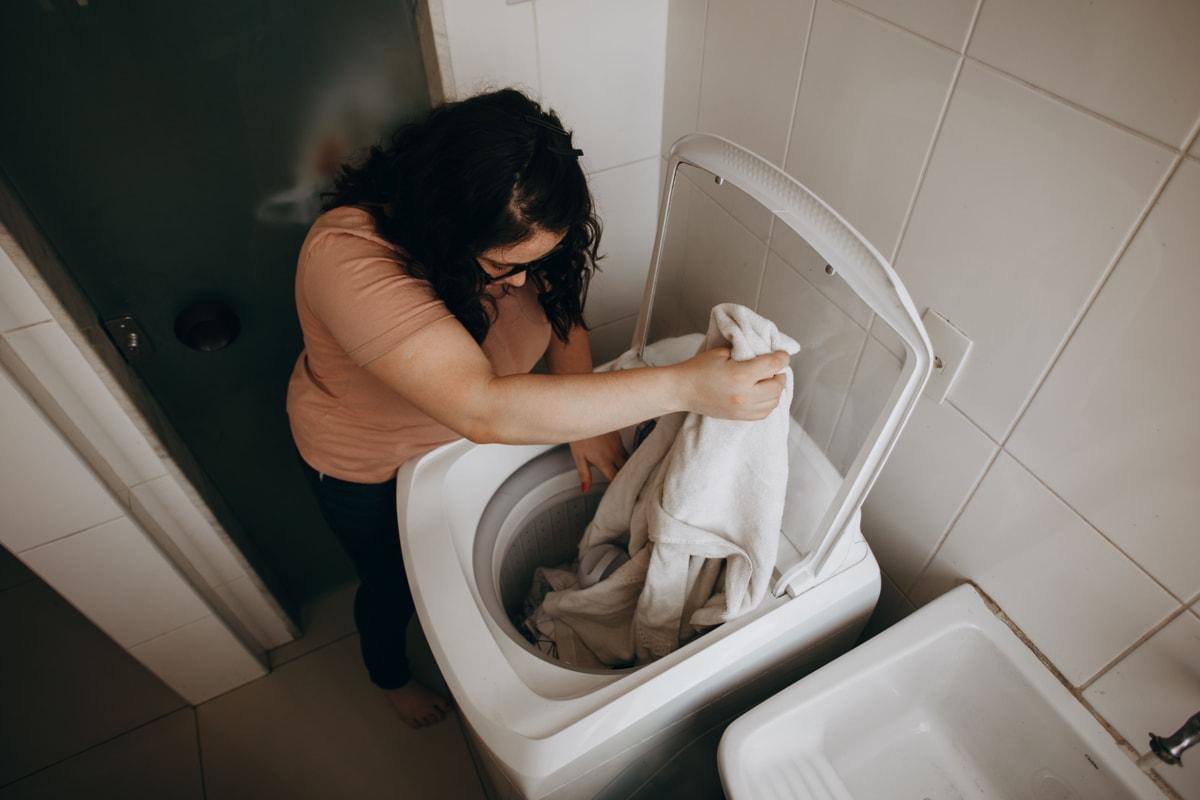
A top loading washing machine is a type of washer that lets you load and unload clothes through a lid on the top of the machine. It is easy to use, requires less bending, and is available in both semi-automatic and fully automatic models.
This is exactly what it sounds like you load your clothes in from the top, instead of through a door on the front. It's the more traditional style of washing machine, and it's still one of the most popular choices in Bangladeshi households because it's simple to use and easy on the pocket.
Top Load vs Front Load - What's the Real Difference?
The biggest difference between this washing machine is how you load clothes and how the machine washes them. Top load machines use a spinning drum with a paddle-like part inside, while front load machines tumble clothes gently in a horizontal drum. Top load machines are usually cheaper, wash faster, and don't require you to bend down which matters a lot if you have back pain or you're doing laundry after a long day at work. Front load machines are generally gentler on clothes and use less water, but they cost more and take longer per cycle.
Fully Automatic vs Semi-Automatic Top Load
This is where it gets specific to Bangladesh. A lot of families here still prefer semi-automatic top load machines, and honestly, it makes sense. Semi-automatic machines have two separate tubs one for washing, one for spinning and you move the clothes between them yourself. They use less electricity and less water, which is a real advantage if you're dealing with load shedding or a water tank that doesn't fill up as fast as you'd like.
Fully automatic machines do everything on their own fill, wash, rinse, spin with just one button press. They're more convenient, but they need a steady water supply and consistent power, which isn't always guaranteed everywhere in Bangladesh, especially outside the bigger cities.
How Does a Top Loading Washing Machine Work?
At its core, a top load washing machine works by moving water and clothes around using a part in the middle of the drum; this could be an agitator, an impeller, or a pulsator, depending on the model. This movement is what actually gets the dirt out of your clothes.
The Wash Cycle, Step by Step
Here's what happens once you press start:
-
Fill - the drum fills with water to the level you've set (or that the machine senses automatically)
-
Wash - the agitator, impeller, or pulsator moves the clothes and water around to loosen dirt and stains
-
Rinse - soapy water drains out, and clean water rinses the detergent away
-
Spin - the drum spins fast to squeeze out extra water, so your clothes come out only slightly damp
The whole thing usually takes somewhere between 30 minutes to an hour, depending on the wash program you choose.
Agitator vs Impeller vs Pulsator - Which One's Better for Your Clothes?
You'll see these three terms a lot when comparing models, so here's the simple version:
-
Agitator - a tall post in the center that twists back and forth. It cleans well but can be a bit rough on delicate fabrics like your favorite shari or thin cotton kurta.
-
Impeller - a low-profile disc at the bottom that rubs clothes against each other. Gentler than an agitator, and it usually fits more clothes since there's no big post taking up space.
-
Pulsator - very common in Bangladeshi and other South Asian markets, this is a disc that spins and creates a swirling motion. It's a good middle ground between cleaning power and fabric care.
If you regularly wash delicate clothes, look for a machine with an impeller or pulsator rather than a traditional agitator.
Why Should You Choose a Top Loading Washing Machine?
If you're weighing top load against front load, here's why so many households in Bangladesh still go with top load.
The Real Benefits for Bangladeshi Homes
Lower price - you can get a decent top load machine for significantly less than a front load one, which matters when you're budgeting for a home
No bending down loading and unloading from the top is much easier on your back and knees, especially for older family members
Faster wash cycles - great if you're washing clothes for a big family and don't want to wait around
Handles water pressure issues better - many top load machines, especially semi-automatic ones, work fine even when your water pressure isn't great
You can add clothes mid-cycle - forgot to put in that one shirt? Most top load machines let you pause and toss it in, something front load machines usually can't do
Who Should Buy a Top Loading Washing Machine?
Not everyone needs the same washing machine, and that's okay. Here's who tends to be happiest with a top load machine:
-
Large or joint families who wash a lot of laundry and need something quick and high-capacity
-
Budget-conscious buyers who want reliable washing without spending on premium features
-
Renters and apartment dwellers dealing with unpredictable water pressure
-
Elderly users or anyone with back or knee issues, since there's no bending required
-
Households that deal with frequent power cuts, especially if going with a semi-automatic model
On the other hand, if you live alone or as a couple, wash a lot of delicate or expensive fabrics, and don't mind paying more for gentler washing and lower water use, a front load machine might actually serve you better.
What Capacity Top Loading Washing Machine Do You Need?
This is one of the most common mistakes people make buying a machine that's too small for their family, or too big and wasting water and electricity on half-empty loads.
A Simple Capacity Guide by Family Size
|
Household Size
|
Recommended Capacity
|
|
1–2 people
|
6–7 kg
|
|
3–4 people
|
7–8 kg
|
|
5+ people / joint family
|
9–12 kg
|
As a rough idea, 1 kg of capacity holds about 3-4 average pieces of clothing, though bedsheets and towels take up more room.
Why Overloading Shortens Your Machine's Life
It's tempting to cram in one more load to save time, but overloading puts extra strain on the motor and the parts that spin the drum. Over time, this leads to more frequent repairs and a shorter overall lifespan for your machine. If you're regularly overloading, it's a sign you need a bigger capacity, not a habit to keep pushing through.
Space and Water Tank Considerations for Apartments
If you live in an apartment, especially on a higher floor, check your water pressure before buying a fully automatic machine. Low pressure from an insufficiently elevated rooftop tank can cause fill issues or longer wash times. Also measure your utility space carefully, since top load machines need clearance above them for the lid to open fully.
How Much Does a Top Loading Washing Machine Cost in Bangladesh?
Prices vary quite a bit depending on the type, capacity, and brand. Here's a general idea of what to expect right now (prices are indicative and can shift with import costs and currency changes always confirm the current price of washing machines with an authorized dealer before buying).
Approximate Price Ranges (BDT)
|
Type & Capacity
|
Approximate Price
|
|
Semi-automatic, 6–7 kg
|
৳9,000 – ৳15,000
|
|
Semi-automatic, 8–10 kg
|
৳13,000 – ৳20,000
|
|
Fully automatic, 6–7 kg
|
৳20,000 – ৳35,000
|
|
Fully automatic, 8–10 kg
|
৳30,000 – ৳55,000+
|
Semi or Fully Automatic - Which Gives You More for Your Money?
If your priority is saving money upfront and on your utility bills, semi-automatic wins. If you value convenience and don't mind paying more, fully automatic is worth it especially for busy households where nobody has time to babysit the wash cycle.
Which Brands Offer the Best Top Loading Washing Machines in Bangladesh?
The good news is you have plenty of solid options, whether you want to save money or invest in extra features. With the right information, you can confidently choose the right washing machine for your home without overspending.
Local and Budget-Friendly Brands
Walton, Vision, Marcel, and Minister are all manufactured or assembled locally, which keeps prices lower and makes spare parts and repairs much easier to find, even outside Dhaka. These brands have expanded their service networks significantly, so if something goes wrong, you're less likely to be stuck waiting weeks for a technician.
International Brands
Samsung, LG, Whirlpool, Haier, and Singer offer more advanced features like digital displays, more wash programs, and often better build quality on moving parts. They cost more, but many buyers feel the extra durability and smoother performance is worth it, especially for households that do laundry daily.
Comparing Your Options at a Glance
|
Brand
|
Popular Capacity Range
|
Approx. Price
|
Warranty
|
Best For
|
|
Walton
|
6–10 kg
|
৳9,000 – ৳30,000
|
Up to 5 years (motor)
|
Budget buyers, easy local service
|
|
Vision
|
6–9 kg
|
৳9,500 – ৳28,000
|
Up to 3 years
|
Everyday reliability
|
|
Marcel
|
6–8 kg
|
৳10,000 – ৳25,000
|
Up to 3 years
|
Small to mid families
|
|
Samsung
|
6.5–9 kg
|
৳25,000 – ৳45,000
|
2 years (10 years motor)
|
Feature-rich, long-term use
|
|
LG
|
6.5–9 kg
|
৳26,000 – ৳50,000
|
2 years (10 years motor)
|
Durability, larger families
|
|
Whirlpool
|
6.5–8 kg
|
৳22,000 – ৳38,000
|
2 years
|
Balanced price and quality
|
How Energy-Efficient Are Top Loading Washing Machines?
Generally speaking, top load machines use a bit more water and electricity per cycle than front load machines, mainly because of how the wash mechanism moves water around. That said, the gap has narrowed a lot with newer models.
Understanding Energy Star Labels
Many machines sold in Bangladesh now come with an energy star rating, usually from 1 to 5 stars. The more stars, the less electricity the machine uses for the same amount of washing. If you do laundry often, paying a bit more upfront for a higher star rating usually pays for itself over a year or two through lower electricity bills.
Simple Tips to Cut Your Electricity and Water Bills
Wait until you have a full load before running the machine, use cold water settings when your clothes aren't heavily soiled, and try running loads during off-peak hours if your area has scheduled load shedding, so you're not caught mid-cycle when the power goes out.
Inverter Motors Are Worth Knowing About
Newer machines, especially from Samsung, LG, and some Walton models, now come with inverter motors. These adjust their speed and power use automatically based on the load size, which means less wasted electricity compared to older fixed-speed motors.
What Should You Check Before Buying a Top Loading Washing Machine?
Before you commit, run through this checklist so you don't end up with regrets a month later.
Technical Things to Check
-
Does the capacity actually match your household size?
-
What's the spin speed (RPM)? Higher RPM means drier clothes after washing, which saves drying time
-
How many wash programs does it offer, and do they match what you'll actually use?
-
Does it need a voltage stabilizer? This matters a lot given Bangladesh's variable voltage supply
-
What water pressure does it require to fill properly?
-
Is the tub plastic or stainless steel? Stainless steel tends to last longer and resist rust
Practical Buying Checklist
-
What exactly does the warranty cover just the motor, or parts and labor too?
-
Are you buying from an authorized dealer, or is this a gray-market import with no local warranty backing?
-
Can you easily find spare parts for this brand and model locally?
-
Does the price include installation and a demo on how to use it?
-
What's the return or exchange policy if the machine has a defect?
Safety Checklist for Your Home
-
Make sure the machine is properly earthed/grounded this is a genuine safety issue, not just a technicality
-
Use a surge protector, especially important when power comes back on suddenly after load shedding
-
Place the machine somewhere it won't be exposed to direct water splashing or flooding during heavy rain
Making Your Final Decision
Buying a washing machine doesn't need to be complicated once you break it down. Start with how many people are in your household to figure out the capacity, set a realistic budget, then narrow down brands based on warranty and how easy it'll be to get it serviced near you. Finally, weigh the energy efficiency against your electricity bill habits.
Whatever you choose, always buy from an authorized dealer and double-check current prices before heading to the shop, since they do shift from time to time. A little research now saves you a lot of hassle and money down the road.
Frequently Asked Questions
Is top load or front load better for Bangladesh?
Top load machines tend to suit Bangladeshi households better overall, thanks to lower prices, faster washing, and better tolerance for inconsistent water pressure. Front load machines are better if you prioritize gentle fabric care and lower water use, and don't mind the higher cost.
Do top load washing machines need a stabilizer in Bangladesh?
Yes, in most cases a stabilizer is recommended, since voltage fluctuations are common in many parts of Bangladesh and can damage the machine's motor over time.
What is the average lifespan of a top load washing machine?
With proper care and normal use, a good quality top load machine typically lasts around 8 to 12 years, though this depends on usage frequency and maintenance.
Can top load washing machines run on low water pressure?
Semi-automatic top load machines generally handle low water pressure better, since you fill the tub manually. Fully automatic machines need more consistent pressure to work properly.
Semi-automatic or fully automatic which saves more electricity?
Semi-automatic machines use less electricity overall since you control the process manually, while fully automatic machines use more power but offer far more convenience.

 RANCON
 Sharp
Sharp
 LG
LG
 Bosch
Bosch
 Samsung
 Toshiba
 Hitachi
 Midea
Midea
 Whirlpool
 Hisense
 Haier
Haier
 Oraimo
 Toshin Rancon
 Kemei
Kemei
 VGR
VGR
 Gazi
Gazi
 Miyako
 Philips
 Panasonic
 Pureit
 Rahimafrooz
 De'Longhi
 Rizco
Rizco
 Super Star
 Realme
 Sony
Sony
 RedSwiss
 Tesy
Tesy
 Qulik
Qulik
 Atomberg
 Amazfit
 Anker
Anker
 Apple
Apple
 Havells
 Haylou
 JBL
JBL
 Kieslect
 OnePlus
 Wiwu
Wiwu
 Xiaomi
 ACEFAST
 EarFun
 Tecno
Tecno
 TOZO
TOZO
 Tribit
 Livpure
 W-KING
 Pigeon
 FONENG
 Kospet
 ECOFLOW
 VIVO
VIVO
 Tefal
Tefal
 Oppo
Oppo
 LUMINOUS
 PAK FAN
 Recci
Recci
 Nothing
 Hoco
Hoco
 Hindware
 CARON
CARON
 Orient
 MIRA
MIRA
 TQIU
TQIU
 UGREEN
 YAMAHA
 Decakila
 TOTAL
TOTAL