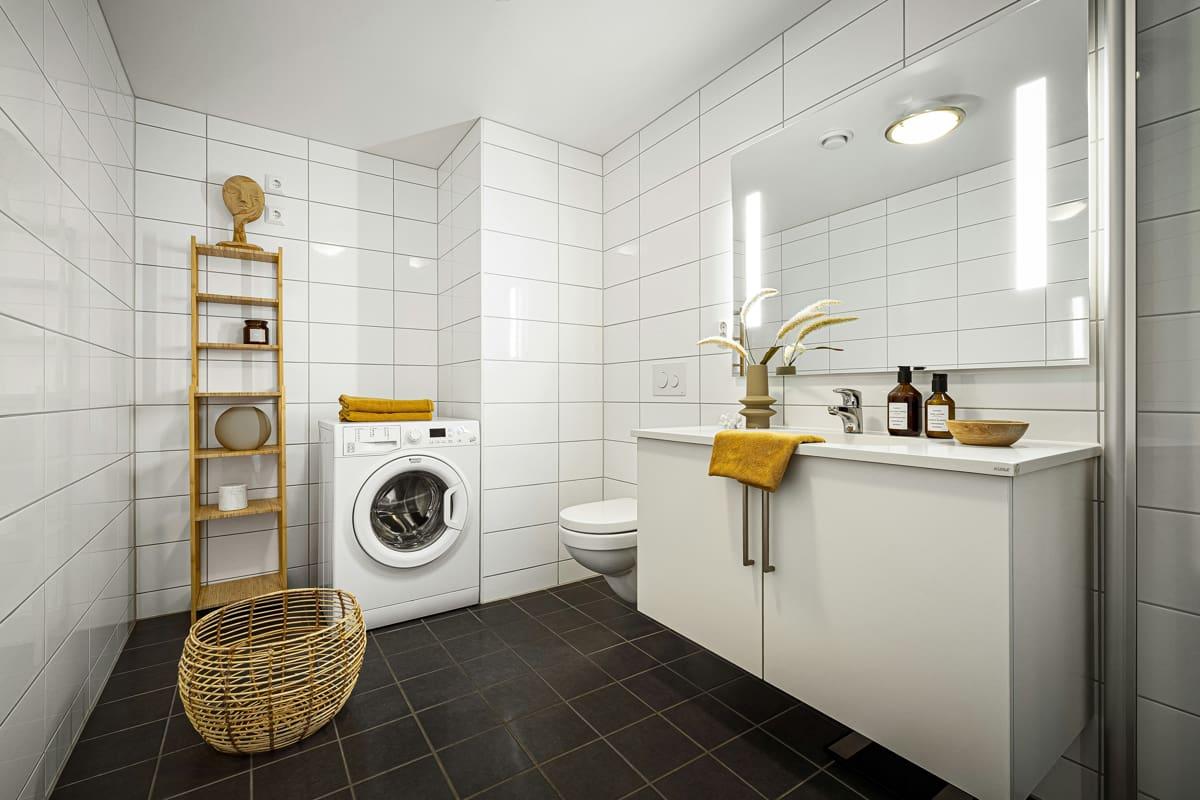
Washing machines are now a common household appliance in Dhaka, Chattogram, Rajshahi, Khulna and other parts of Bangladesh. As families have busy schedules and less time for chores, they are increasingly turning to washing machines to save time, reduce physical effort and make laundry easier. However, buying a washing machine isn’t always simple. A quick visit to any electronics showroom or online shopping site will show you a range of options, including semi-automatic, fully automatic, front load and top load machines.
It might be difficult to choose what to purchase since various varieties have varying features, capacities, costs, and maintenance requirements. The ideal washing machine is one that suits your family's laundry schedule, available space, water supply, electrical conditions, and budget rather than the one with the most features. A high-end front-load machine may not be the greatest value if a less costly model can do the same task, and what is ideal for a large family can be too much for a single person.
Types of Washing Machines at a Glance
There are three primary categories of washing machines in Bangladesh, each catering to different needs and budgets. Semi-automatic top-load washing machines are the most affordable and flexible in terms of water usage, suitable for areas with intermittent water supply. Fully-automatic top-load machines are easy to use with one-touch operation. Front-load machines provide better fabric care and energy efficiency but are more expensive and require stable water pressure and voltage. Your choice usually comes down to budget, water supply, and how hands-off you want the process to be.
Comparison Table: Washing Machine Types Side-by-Side
Here's a quick side-by-side look before we go into detail on each type.
|
Type
|
Water Usage
|
Price Range (BDT)
|
Space Needed
|
Best For
|
|
Semi-Automatic Top Load
|
Low–Medium
|
৳9,000 – ৳20,000
|
Small–Medium
|
Budget buyers, low water pressure areas
|
|
Fully-Automatic Top Load
|
Medium
|
৳20,000 – ৳45,000
|
Medium
|
Busy families wanting convenience
|
|
Front Load
|
Low (efficient use)
|
৳35,000 – ৳90,000+
|
Medium–Large
|
Best fabric care, energy-conscious buyers
|
Semi-Automatic Top-Load Washing Machines
Semi-Automatic Top-Load Washing Machines is the most popular washing machine in Bangladesh. It is easy to use, works well, and is available at prices that suit many households.
Key Features
A semi-automatic machine has two separate tubs one for washing, one for spinning. You fill the wash tub with water yourself (using a bucket, tap, or hose), set the timer, and once washing is done, you manually move the clothes to the spin tub to dry them out. It doesn't need a continuous water line and uses relatively little electricity compared to automatic models.
Pros
The biggest advantage is the price of semi-automatic washing machines are the most affordable option on the market, making them a natural first choice for many households. They also work well even when water pressure is weak or water only comes at certain hours, since you fill the tub manually rather than relying on an automatic line. You can still do laundry during load-shedding with a little manual effort, as the machine doesn’t rely on a constant supply of power or water. Plus, spare parts and repair technicians for semi-automatic machines are readily available in almost every neighbourhood, so servicing is quick and inexpensive
Cons
you have to physically move clothes from one tub to another and control the water filling yourself, which takes more time and concentration than an automatic machine. There’s no automatic rinse cycle, so you might need to rinse clothes more than once for a thorough cleanOverall, it's less convenient for people with very busy schedules.
Why it's so popular in Bangladesh: With frequent water pressure drops and occasional load-shedding in many areas, a machine that doesn't fully depend on non-stop water and power supply is simply more practical and the lower price makes it accessible to a much wider range of households.
Fully-Automatic Top-Load Washing Machines
If you want less manual work without moving to a Top-load machine, this is the step up.
Key Features
Fully-automatic top-load machines have a single tub that handles washing, rinsing, and spinning all in one place. .You just load your clothes, choose a program, and the machine does the rest filling water, washing, draining and spinning. Many models have several wash programs for different types of fabric.
Pros
The biggest plus is the convenience you load your clothes, push a button and walk away, which is a huge time-saver for working professionals and larger families with more laundry to get through. You don’t have to transfer clothes between tubs, and most models rinse better than semi-automatic machines.
Cons
These machines require a constant water supply and reasonable water pressure to fill properly, which can be an issue in places where water is only available at certain times of day.They also use more electricity than semi-automatic ones and the initial cost is much higher.
Front-Load Washing Machines
At the higher end of the market, standard front-load machines are becoming more and more popular among consumers who value long-term efficiency and fabric care. Over time, they assist lower utility bills since they consume less power and water than many top-load versions. They are a wise long-term investment since they provide strong cleaning capabilities while being kind to clothing, making them perfect for bigger homes.
Key Features
Instead of a vertical tub, front-load machines use a horizontal drum that tumbles clothes through a small amount of water rather than fully submerging them. They usually offer higher spin speeds, more wash programs, and better control over temperature and cycle settings than top-load machines.
Pros
Because clothes tumble gently rather than being agitated, front-load machines are generally gentler on fabric, which matters if you own delicate clothing. They also use less water and electricity per wash over time, and their higher spin speeds squeeze out more water, meaning clothes take less time to air dry a real advantage during humid or rainy seasons.
Cons
Front-load machines are the most expensive type, and their wash cycles tend to run longer than top-load machines. One important point for Bangladeshi buyers: these machines are more sensitive to voltage fluctuation, which is common in many areas. To protect the electronics of the machine and to avoid costly repairs, we recommend using a voltage stabilizer.
Which Type Suits Bangladeshi Households? (Decision Factors)
There's no single "best" washing machine it depends on your specific situation. Here's what to weigh before deciding:
-
Water pressure and supply timing: If your area gets water only at certain hours or through a tank with low pressure, a semi-automatic machine is far more forgiving than a fully-automatic or front-load model.
-
Load-shedding frequency: In areas with frequent power cuts, a semi-automatic machine lets you keep washing with manual effort, while automatic machines may pause mid-cycle.
-
Family size and laundry volume: Larger families with daily laundry loads benefit more from the time savings of fully-automatic or front-load machines.
-
Apartment space: Front-load machines generally have a smaller footprint and can sometimes fit under a counter, which helps in smaller Dhaka apartments.
-
Budget tier: If cost is the main concern, semi-automatic is the safest starting point. If convenience and fabric care matter more than upfront price, fully-automatic or front-load machines are worth the investment.
Key Buying Factors Beyond Type
Once you've picked a type, a few other details will affect how satisfied you are with the machine long-term.
Capacity (kg): Match the drum size to your household a 6–7 kg machine suits a small family, while larger families may need 8 kg or more to avoid overloading, which shortens a machine's lifespan.
Energy rating: Look for a higher star rating on the energy label; it directly affects your monthly electricity bill, especially for automatic and front-load machines that run longer cycles.
Warranty and local service network: Check how long the warranty lasts and, just as importantly, whether the brand has service centers near you. A great machine with no nearby technician can become a headache during repairs.
Brand availability in the local market: Choosing a brand that's well-established in Bangladesh usually means easier access to spare parts and better resale value if you ever decide to upgrade.
Maintenance & Safety Tips
A few simple habits go a long way in keeping your washing machine safe and running well. Always use proper earthing (grounding) for the plug point, since washing machines involve water and electricity together. Pair automatic or front-load machines with a voltage stabilizer to protect against power fluctuations common in many areas. Clean the detergent tray and drum filter regularly to prevent buildup, and descale the machine every few months if your water has high mineral content, a common issue in several parts of Bangladesh.
Conclusion
Select the ideal washing machine comes down to matching the machine to your real, everyday conditions: your water supply, power reliability, space and budget instead of just picking the model with the most features. If you're still unsure, start by narrowing down based on your water pressure and load-shedding situation, then compare specific models and prices in that type before making your final purchase.
Frequently Asked Questions
Which washing machine type is best for Bangladesh?
For most households dealing with irregular water pressure or load-shedding, semi-automatic top-load machines offer the best balance of affordability and practicality. If your water and power supply is stable, fully-automatic or front-load machines offer more convenience.
Is front load better than top load?
Front-load machines are gentler on fabric and more water/energy efficient, but they cost more and need stable power and water pressure. Top-load machines are simpler, cheaper, and more forgiving of inconsistent utilities.
Do semi-automatic machines work without a water line connection?
Yes you can fill the wash tub manually using a bucket or hose, which is exactly why they're so popular in areas with unreliable water supply.
How long do washing machines last?
With proper care, most washing machines last 8–12 years, though semi-automatic machines with simpler mechanics often prove easier and cheaper to repair over that lifespan.

 RANCON
 Sharp
Sharp
 LG
LG
 Bosch
Bosch
 Samsung
 Toshiba
 Hitachi
 Midea
Midea
 Whirlpool
 Hisense
 Haier
Haier
 Oraimo
 Toshin Rancon
 Kemei
Kemei
 VGR
VGR
 Gazi
Gazi
 Miyako
 Philips
 Panasonic
 Pureit
 Rahimafrooz
 De'Longhi
 Rizco
Rizco
 Super Star
 Realme
 Sony
Sony
 RedSwiss
 Tesy
Tesy
 Qulik
Qulik
 Atomberg
 Amazfit
 Anker
Anker
 Apple
Apple
 Havells
 Haylou
 JBL
JBL
 Kieslect
 OnePlus
 Wiwu
Wiwu
 Xiaomi
 ACEFAST
 EarFun
 Tecno
Tecno
 TOZO
TOZO
 Tribit
 Livpure
 W-KING
 Pigeon
 FONENG
 Kospet
 ECOFLOW
 VIVO
VIVO
 Tefal
Tefal
 Oppo
Oppo
 LUMINOUS
 PAK FAN
 Recci
Recci
 Nothing
 Hoco
Hoco
 Hindware
 CARON
CARON
 Orient
 MIRA
MIRA
 TQIU
TQIU
 UGREEN
 YAMAHA
 Decakila
 TOTAL
TOTAL