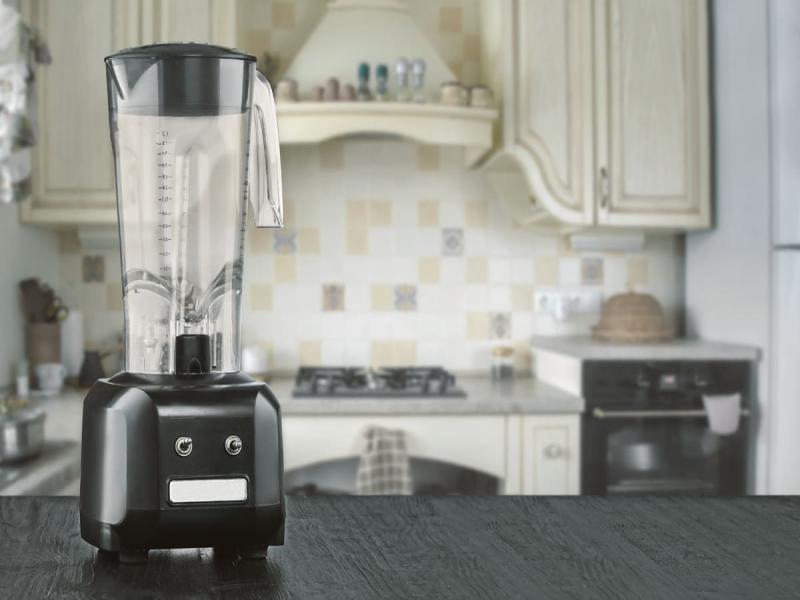
The Bangladeshi kitchen has undergone a massive transformation. Not long ago, the rhythmic sound of the shil-pata defined our mornings, but today’s fast-paced lifestyle demands efficiency. In 2026, a blender is no longer just a luxury; it is the heartbeat of the home, essential for everything from smooth mango lassi to the perfect ginger-garlic paste for a weekend biryani.
However, choosing the right one has become tricky. With dozens of brands flooding the market, it’s easy to end up with a machine that smokes after two uses or fails during a summer voltage drop. Our experts at Rangs eMart have physically tested over 20 of the most popular models currently sold in Bangladesh from local favorites like Walton to international giants like Miyako. This guide is built on real-world testing to ensure you spend your hard-earned money on a machine that actually lasts and fits the current blender price in Bangladesh.
Which Type of Blender Is Right for Your Bangladeshi Kitchen?
The best blender for a Bangladeshi kitchen depends on what you cook daily. For heavy spice grinding and batter-making, go with a mixer grinder. For smoothies and juices, a nutri-blender works best. For soup and dal, an immersion blender is your easiest option.
If you've ever browsed online or visited appliance stores trying to find the right blender , you already know how confusing it can be. So many options, so many prices and no clear answer on which one is actually right for your kitchen.
Here's the thing: in Bangladesh, we don't just "blend" things. We grind dry spices, make shorshe bata from scratch, and prepare rice batter for pitha during Eid season. That's a very different set of needs compared to someone making a morning smoothie in an apartment in London. So let's break it down in simple terms.
What Can a Traditional Mixer Grinder Do for Your Kitchen?
This is the all-rounder blender that most Bangladeshi families already use and for good reason. If your daily cooking includes grinding dry turmeric, making mustard paste (shorshe bata), or preparing pitha batter, a traditional mixer grinder is built exactly for that.
It usually comes with three stainless steel jars in different sizes, so whether you're making a small cup of chutney or a large batch of spices for a big family gathering, there's a jar for the job. Think of this as the workhorse of the kitchen: reliable, powerful, and made for heavy-duty use.
Best for: Heavy spice grinding, batter-making, everyday Bangladeshi cooking.
Is a High-Speed or Nutri-Blender Good for Daily Health Drinks?
If you're trying to eat healthier in 2026 and have been thinking about starting your mornings with fruit juice or a protein shake before heading to the office, this is the blender for you.
Nutri-blenders are compact but surprisingly powerful. They're designed to break down tough fruit fibers, seeds, and leafy greens completely, giving you a silky-smooth drink in seconds, not minutes. No chunks, no bitter bits, just a clean drink.
They won't handle heavy spice grinding, but for quick morning smoothies and health drinks, nothing beats them.
Best for: Smoothies, fruit juices, protein shakes, and a healthy morning routine.
When Does a Hand or Immersion Blender Make Life Easier?
Have you ever been making a pot of dal and thought, "I wish I could just blend this directly without making a mess"? That's exactly where an immersion blender saves the day.
This handheld "magic wand" goes directly into the pot, letting you blend dal, soups, or chutneys without transferring hot liquid into a separate jar which is not only inconvenient but honestly a little dangerous.
It’s lightweight, easy to use, and takes up very little storage space. If you love baking or need a simple tool for everyday kitchen prep, a hand mixer blender is a practical and budget-friendly choice.
Best for: Dal, soups, chutneys, and anyone who wants a fuss-free blending experience.
Do You Need a Commercial Blender for a Large Family or Home Business?
If you're running a juice shop from home, catering small events, or feeding a large joint family every day, a regular household blender simply won't keep up with that kind of demand.
Commercial blenders are built with heavy-duty motors and large-capacity jars that can run continuously for longer periods without overheating. They're designed for high-volume blending tasks, think liters of juice per hour, not cups.
Yes, they cost more upfront. But if you're using a blender 3–4 hours a day, a household model will burn out quickly. A commercial blender is a long-term investment that actually saves you money over time.
Best for: Home juice businesses, caterers, large families, and high-volume daily use.
Before you buy, think honestly about what you cook most. A mixer grinder handles the heavy Bangladeshi kitchen tasks. A nutri-blender fits a health-focused lifestyle. An immersion blender keeps things simple. And a commercial blender is there when regular blenders just can't keep up. Once you know your kitchen's real needs, the right choice becomes much clearer.
How Much Motor Power Do You Actually Need in a Blender?
For most Bangladeshi homes, a 750W blender with a 100% copper motor is the sweet spot powerful enough for daily spice grinding, without overheating or hiking up your electricity bill. Only go for 1000W if you're grinding large quantities of meat or hard grains regularly.
This is where most people get stuck and honestly, it's where a lot of shopkeepers in Stadium Market or Elephant Road will throw confusing terms at you. So let's cut through the noise and talk about what actually matters.
Copper Motor vs. CCAM Motor - Which One Should You Choose?
When you're comparing blenders in-store or online, you'll likely hear two terms: Copper Motor and CCAM Motor. Here's what they actually mean for you.
A 100% copper motor is the one you want. Copper conducts heat better, which is a well-known benefit of copper motors in high-performance appliances, ensuring they stay cool under pressure.. It lasts longer and handles the pressure of a busy Bangladeshi kitchen without breaking a sweat.
A CCAM motor which stands for Copper-Coated Aluminum Motor is cheaper at first glance, but it overheats faster and tends to fail much sooner. If you're grinding spices daily, a CCAM motor simply won't hold up over time. You might save ৳500 upfront and spend ৳2,000 at the repair shop six months later.
The simple rule: Always go for 100% copper. It's a longer investment that actually pays off.
Is 750W Enough, or Do You Need a 1000W Blender?
Here's the honest answer: for most households in Bangladesh, 750 Watts is more than enough.
A 750W blender can grind hard dried turmeric, black pepper, and whole spices into a fine powder without any trouble. It runs quietly enough not to wake up the whole house in the morning, and it won't put extra strain on your monthly electricity bill, something that genuinely matters when you're running a full kitchen every day.
A 1000W blender is faster and more powerful, yes. But unless you're grinding large amounts of meat, hard grains, or running a home catering setup, that extra power can actually be overkill. More wattage also means more electricity consumption and sometimes more noise.
So ask yourself: Am I grinding tough ingredients in large quantities daily? If yes, consider 1000W. If not, save your money and go for 750W.
Does Your Blender Have an Overload Protector - and Why Does It Matter?
This is a feature that most people overlook, but in Bangladesh's summer heat, it's one of the most important things to check.
During the hot months, especially from April to June, voltage fluctuations are a real problem in most cities and towns. If your blender motor is running under an unstable voltage load and starts overheating, a blender without protection will simply burn out. And that usually means an expensive repair or a full replacement.
An overload protector is your safety net. It's usually a small red or black button at the bottom of the blender. If the motor gets too hot or the load becomes too heavy, it automatically shuts the machine off before any permanent damage happens. Once it cools down, you press the button and carry on.
It sounds like a small thing, but this one feature can save your motor and save you from an unnecessary trip to the repair shop on a hot afternoon.
What to do when buying: Flip the blender over and look for that safety button. If you don't see one, ask the shopkeeper directly. If the blender doesn't have it, keep looking.
Quick Recap: Go for a 100% copper motor, pick 750W for everyday home use (or 1000W for heavy-duty needs), and always make sure your blender has an overload protector. These three things together will give you a blender that handles the real demands of a Bangladeshi kitchen season after season.
Glass, Plastic, or Stainless Steel - Which Blender Jar Is Best for a Bangladeshi Kitchen?
For most Bangladeshi kitchens, 304-grade stainless steel jars are the best choice. They don't stain from turmeric, don't absorb garlic smell, and won't shatter if they slip from your hand onto a tiled floor.
Most people focus entirely on motor power when buying a blender and completely forget about the jar. But the jar material is what determines how long your blender actually lasts and more importantly, how safe your food is over time.
Let's walk through your three main options in plain terms.
Why Do Most Bangladeshi Kitchens Prefer Stainless Steel Jars?
If you cook with turmeric, garlic, or mustard paste on a daily basis, most of us already know the problem. These ingredients stain everything and leave a smell that lingers for days. A plastic jar after a week of curry grinding? It turns yellow and smells even after washing.
That's exactly why stainless steel jars are the most popular choice in Bangladeshi households, and for good reason.
But not all steel jars are equal. When you're buying, specifically look for 304-grade stainless steel. This grade is rust-resistant, won't absorb the yellow stains from turmeric or haldi paste, and doesn't hold onto the strong smell of garlic or shorshe. It also handles the kind of rough daily use a Bangladeshi kitchen demands grinding dry spices, making batter, crushing hard ingredients.
And if the jar slips from your wet hands onto a tiled kitchen floor? It survives. A glass or plastic jar almost certainly won't.
Is Plastic a Safe Option and What Should You Check Before Buying?
Some modern blenders, especially nutri-blenders designed for smoothies, come with polycarbonate jars instead of regular plastic. Polycarbonate is far tougher than standard plastic; it can handle the impact of ice cubes without cracking, which regular plastic cannot.
But here's what you must check before buying any plastic jar blender: look for the label 'BPA-free.' Following international BPA safety standards ensures that no harmful chemicals leach into your food.
BPA (Bisphenol A) is a chemical found in lower-quality plastics. When you blend warm ingredients or even just use the jar repeatedly over time this chemical can slowly leach into your food. For a family that uses the blender every single day, that's a genuine health concern. A BPA-free, food-grade label means the plastic has been tested and is safe for regular food contact.
So yes, plastic can work but only if you're choosing the right kind.
Are Glass Jars Worth It Despite Being Heavy and Fragile?
Glass jars look beautiful, and from a hygiene standpoint, they're excellent. Glass doesn't scratch over time, doesn't hold smells, and is very easy to clean thoroughly. If you're someone who is very particular about cleanliness and hygiene in the kitchen, glass has a real appeal.
But here's the practical reality for a typical busy Bangladeshi household: glass is heavy and it breaks. One slip, one moment of distraction, and you're dealing with shattered glass on the kitchen floor which is both dangerous and expensive to replace.
For most families where the kitchen is a fast-moving, high-activity space, glass jars are a beautiful idea that doesn't always survive real life.
If you want something that handles strong spices, doesn't stain or smell, survives the occasional drop, and lasts for years a high-quality 304-grade stainless steel jar set is your most practical and durable investment. It may not look as sleek as glass, but it will still be performing well long after a glass or plastic jar has been replaced.
Top Blender Brands in Bangladesh: 2026 Market Analysis
When buying a blender in Bangladesh, you’ll notice two main groups of brands: the local giants and the international favorites. Each has its own strengths, and the right choice usually depends on your budget and how much you value after-sales service.
Local Giants: Walton, Vision, and Jamuna
These brands have become household names because they understand the Bangladeshi kitchen perfectly. The biggest advantage of buying a Walton or Vision blender is the "peace of mind." Since they have service centers in almost every district, getting a spare part or fixing a motor is quick and affordable. Their 750W models are specifically built to handle local power fluctuations and the heavy-duty grinding required for our traditional recipes. They offer excellent value for money and often come with reliable local warranties.
International Favorites: Miyako, Philips, Panasonic, and Jaipan
If you are looking for long-term durability and high-end performance, these brands are the go-to choices. Miyako and Jaipan are legendary in Bangladesh for their best mixer-grinders that can grind almost anything. Philips and Panasonic are known for their advanced blade technology and sleek designs that look great on modern kitchen counters. While these might cost a bit more, they often last for many years without losing power.At Rangs eMart, we curate the best from these global leaders to ensure you get advanced blade technology and sleek designs that last for years without losing power
Finding the Right Price Tier
To make your decision easier, we can categorize the market into three price ranges:
-
Budget (Under 3,000 BDT): Best for small families or those who mostly blend soft items like fruits and light batters. You’ll find great entry-level models from Walton and Vision here.
-
Mid-Range (4,000 – 7,500 BDT): This is where most families find their perfect match. Brands like Miyako and Jaipan offer powerful 750W–1000W motors in this range that can handle daily spice grinding.
-
Premium (8,000 BDT and above): If you want a "monster" machine that can crush ice, make nut butters, or come with specialized juicing attachments, look at high-end models from Panasonic or Philips.
Feature Comparison: What to Look For
Beyond the motor and jar, a few small features make a massive difference in how much you’ll actually enjoy using your blender every day.
Speed Settings and the "Pulse" Secret
Most blenders come with 2 or 3 speed levels, but the Pulse function is the real hero for Bangladeshi cooking. Think about making bhorta or a coarse chutney; you don’t want a watery paste. The Pulse button gives you short, powerful bursts of speed that allow you to control the texture perfectly. It’s also great for "breaking" hard ingredients like frozen fruit or ice before you switch to a steady blend.
Coupler Quality: The Invisible Connection
The coupler is the small part where the blender base meets the jar. In many budget models, these are made of plastic, which can strip or melt if the jar isn't aligned perfectly. For long-term durability, look for metal-to-metal drive systems. They are much tougher and won't wear down even after years of grinding heavy spices.
Noise Levels and Apartment Living
If you live in a busy apartment building in Dhaka or Chittagong, a blender that sounds like a jet engine at 7 AM might not make you very popular with the neighbors. While all powerful blenders make some noise, models with rubber feet or well-insulated motors vibrate less against your countertop, which significantly muffles the sound. A quick tip: placing a small silicone mat under your blender can further reduce that bone-rattling noise.
How Do You Take Care of Your Blender So It Lasts for Years?
Clean your blender jar properly after every use, store it dry, and always check that your warranty covers the motor specifically. In Bangladesh's dusty, humid climate, these simple habits can easily double the life of your blender.
A blender isn't just a purchase, it's something you use almost every single day. And like any machine that works hard for your family, it needs a little care in return. The good news is that maintaining a blender is genuinely simple, and a few small habits can save you from an expensive repair or early replacement.
What Should You Check About Warranty Before Buying a Blender in Bangladesh?
Most people look at the price first and the warranty last. But in Bangladesh, where getting something repaired can mean navigating Dhaka traffic with a heavy appliance in your hands, the after-sales service network matters just as much as the product itself.
Many local and reputable brands now offer "Home Service" warranties, and this is something worth specifically asking about before you buy. Imagine your blender motor stops working during Eid week, the busiest cooking days of the year. With a home service warranty, a technician comes to your door. Without it, you're the one making the trip to a service center in Paltan or Mirpur on a busy afternoon.
One more thing to check: make sure the warranty covers the motor specifically. The motor is the most expensive part of any blender to replace. Some warranties cover the body and jars but quietly exclude the motor. Read the fine print, or simply ask the shopkeeper: "Does the warranty include the motor?" That one question can save you a lot of money later.
How Do You Remove Stubborn Turmeric Stains and Garlic Smell from a Blender Jar?
We've all been there. You make a fresh mango smoothie in the morning and it faintly tastes like yesterday's ginger-garlic paste. Or your once-clean jar has turned a permanent shade of yellow from turmeric grinding. It's frustrating but it's also completely fixable.
Here's a simple cleaning method that actually works:
-
Fill the jar halfway with warm water and add one drop of dish soap.
-
Add one tablespoon of baking soda or a few slices of fresh lemon both are natural odor neutralizers.
-
Blend for 30 seconds, then let the mixture sit in the jar for about 15 minutes.
-
Rinse thoroughly and always dry the jar upside down with the lid off so moisture doesn't get trapped inside.
That last step drying upside down with the lid off is one most people skip. But in Bangladesh's humid climate, a sealed, damp jar is exactly where bacteria and mold start to grow in the hidden rubber seals. This small habit keeps your jar fresh and hygienic for much longer.
Do this after grinding strong spices or making anything pungent, and your blender will stay clean, smell-free, and safe for your family's food every single time.
A little care goes a long way. Choose a brand with a solid home service warranty, make sure the motor is covered, and spend two extra minutes cleaning your jar properly after heavy use. In a kitchen that works as hard as a Bangladeshi one does, these habits are what keep your blender running smoothly year after year.
Buyer’s Checklist: 5 Questions to Ask Before Buying
Before you pull out your wallet at the shop, use this quick checklist to ensure you’re getting a machine that won’t let you down during a busy dinner prep.
-
Does it have an overload protector? Ask the seller if there is a "reset button" at the bottom. This small feature acts like a circuit breaker, cutting power if the motor gets too hot, which prevents it from burning out during a long grinding session.
-
Are spare parts easily available? In Bangladesh, parts like rubber gaskets and blades eventually wear out. Ask if the brand has a service center nearby or if parts are widely available in local hubs like Dhaka’s Stadium Market or New Market.
-
Is the motor 100% copper? Don’t settle for "copper-coated." A pure copper motor handles the heat of grinding tough shukno morich (dried chili) much better and lasts years longer than cheaper aluminum alternatives.
-
How many jars are included? A standard set should have at least three: a large wet jar for batters, a medium dry jar for spices, and a small "chutney" jar for ginger-garlic paste.
-
What is the official warranty? Look for at least a 2 to 5-year warranty on the motor. A long warranty is a sign that the manufacturer trusts the quality of their machine.
Conclusion: Making the Final Decision
Choosing a blender in 2026 comes down to balancing your daily cooking needs with a machine that can handle the unique demands of a Bangladeshi home. After testing the latest models, our "Best Overall" recommendation for 2024–2026 is a 750W to 1000W copper-motor mixer grinder. These machines, particularly from trusted brands like Miyako, Walton, or Philips, offer the perfect blend of power for grinding tough spices and the durability to survive summer voltage fluctuations.
Ready to upgrade your kitchen? Along with your new blender, don't miss out on our latest kitchen appliance deals at Rangs eMart to complete your home setup. Don't forget to check the latest prices online and always ask for that official warranty card before you head home!
Here are the FAQs from your blog, arranged in a clear Q&A format that is easy for readers to scan and understand:
Frequently Asked Questions (FAQs)
Q: Which blender is best for grinding tough Bangladeshi spices like dried turmeric?
A: For heavy-duty tasks like grinding dried turmeric (shukno holud) or black pepper, a 750W to 1000W mixer grinder with a 100% copper motor is the best choice. At Rangs eMart, we recommend choosing models with stainless steel jars, as they are durable enough to handle the friction of hard spices without cracking or staining.
Q: Why should I look for a "100% Copper Motor" instead of a cheaper option?
A: A 100% copper motor is a superior conductor of heat, allowing the blender to run longer without overheating. Cheaper motors, like CCAM (copper-coated aluminum), often burn out quickly under the pressure of thick pastes or dry grinding. Investing in a copper motor ensures your appliance survives the heavy daily demands of a traditional kitchen.
Q: What should I do if my blender suddenly stops working during a heavy grinding session?
A: Most high-quality blenders sold at Rangs eMart come with an overload protector. If your machine stops, it likely overheats to protect the motor. Simply turn the blender over, wait a few minutes for it to cool down, and press the small red or black "Reset" button at the bottom to start again.
Q: How can I remove the stubborn smell of garlic or ginger from my blender jars?
A: To neutralize strong odors, fill the jar halfway with warm water, add a drop of dish soap, and a tablespoon of baking soda or lemon juice. Run the blender for 30 seconds, let it sit for 15 minutes, and then rinse. Pro Tip: Always store your jars upside down with the lids off to ensure they dry completely and stay fresh.
Q: Is a warranty really that important when buying a blender?
A: Yes, absolutely. Because of local voltage fluctuations and heavy usage, having an official motor warranty is essential. When you shop at Rangs eMart, you get the benefit of official brand warranties and access to genuine spare parts. This ensures that if a part like a gasket or blade wears out, you can easily find a reliable replacement without having to buy a whole new machine.

 RANCON
 Sharp
Sharp
 LG
LG
 Bosch
Bosch
 Samsung
 Toshiba
 Hitachi
 Midea
Midea
 Whirlpool
 Hisense
 Haier
Haier
 Oraimo
 Toshin Rancon
 Kemei
Kemei
 VGR
VGR
 Gazi
Gazi
 Miyako
 Philips
 Panasonic
 Pureit
 Rahimafrooz
 De'Longhi
 Rizco
Rizco
 Super Star
 Realme
 Sony
Sony
 RedSwiss
 Tesy
Tesy
 Qulik
Qulik
 Atomberg
 Amazfit
 Anker
Anker
 Apple
Apple
 Havells
 Haylou
 JBL
JBL
 Kieslect
 OnePlus
 Wiwu
Wiwu
 Xiaomi
 ACEFAST
 EarFun
 Tecno
Tecno
 TOZO
TOZO
 Tribit
 Livpure
 W-KING
 Pigeon
 FONENG
 Kospet
 ECOFLOW
 VIVO
VIVO
 Tefal
Tefal
 Oppo
Oppo
 LUMINOUS
 PAK FAN
 Recci
Recci
 Nothing
 Hoco
Hoco
 Hindware
 CARON
CARON
 Orient
 MIRA
MIRA
 TQIU
TQIU
 UGREEN
 YAMAHA
 Decakila
 TOTAL
TOTAL