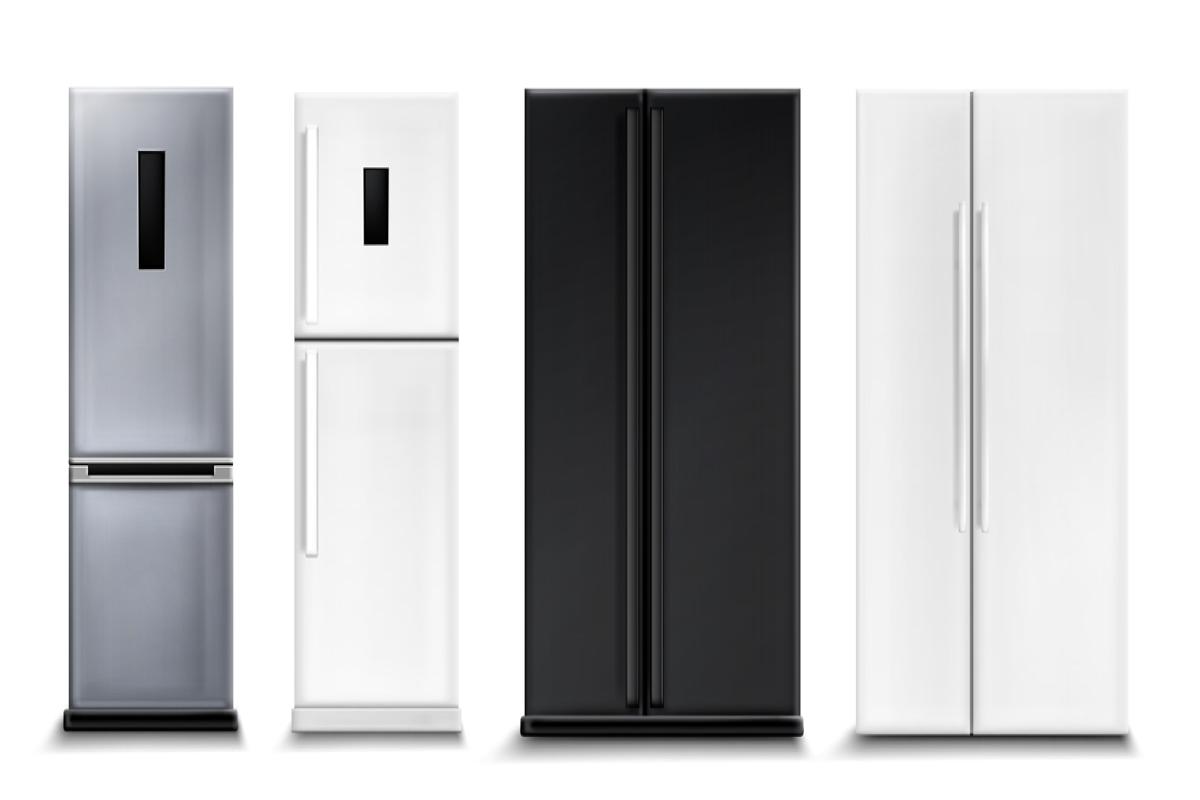
Buying a refrigerator in Bangladesh is a lot like buying a sofa. It needs to look great in your room, but more importantly, everyone in the family needs to fit on it comfortably.
Many of us living in apartments in cities like Dhaka or Chittagong face a daily puzzle. Kitchen spaces are getting smaller, yet our storage needs are growing. You need enough room to store fresh vegetables from the daily market, alongside structural space for large fish or meat packs. Plus, with our hot, humid weather and the occasional load-shedding, your fridge has to work extra hard to keep food safe.
A fridge that is too big will block your kitchen walkway and hike up your electricity bill. One that is too small leaves you struggling to fit dinner leftovers.
Why Refrigerator Size Matters More Than You Think
Most people pick a fridge based on looks or price. Size is often an afterthought. But it shouldn't be because getting the size wrong affects your life every single day.
A fridge that's too small quickly becomes a headache. You're constantly forcing food in, blocking airflow inside the cabinet, and making the compressor work harder than it should. The result? Food spoils faster, and the fridge wears out sooner than expected.
On the other hand, a fridge that's too large has its own quiet problem: it uses more electricity than you actually need. And in Bangladesh, where BPDB charges you more per unit the more electricity you use, running an oversized fridge every month adds up to a real and unnecessary cost.
There's also the practical reality of space. Most kitchens in Dhaka flats are tight, often under 80 square feet. A fridge that's too wide or too tall simply won't fit comfortably, and poor placement means poor ventilation, which again increases your electricity bill.
Here's something else worth knowing early: fridge size and technology go hand in hand. A large non-inverter fridge in an area with frequent load shedding will cost you significantly more over time than a right-sized inverter model.
Measure Your Kitchen Space
Before you even think about brands or liters, grab a measuring tape. This one step saves you from one of the most frustrating experiences in appliance shopping: buying a fridge that physically doesn't fit, or worse, doesn't make it through your front door on delivery day.
Measure these three things in your kitchen:
-
Width: The space where the fridge will stand, side to side
-
Height: Floor to the bottom of any overhead cabinet or shelf above
-
Depth: How far the fridge can stick out without blocking movement in the kitchen
Once you have those numbers, add ventilation space. A fridge needs at least 2 inches (5 cm) on each side and 1 inch (2.5 cm) on top to breathe properly. Without this clearance, the compressor overheats and your electricity bill quietly rises.
Also think about door swing. In a narrow kitchen common in Dhaka apartments a single-door fridge that opens outward can block an entire walkway. Make sure the door has room to open fully without hitting a wall, cabinet, or the person standing next to it.
Most kitchen counters in Bangladeshi homes sit at 85–90 cm high. If your fridge will stand next to or below an overhead cabinet, measure that gap carefully; many buyers assume it fits, then find out it doesn't on delivery day.
One more thing people forget: Measure your building entrance, stairway width, and the kitchen doorway itself. A 500-liter double-door fridge might fit perfectly in your kitchen but get stuck in the stairwell of your building. It happens more often than you'd think, especially in older Dhaka residential buildings without wide corridors.
Match Fridge Capacity to Your Household Size
Once you know your kitchen measurements, the next question is: how much storage space do you actually need?
A simple starting point used worldwide is 100 liters per adult and 50 liters per child in your home. So a family of two adults and two children would need around 300 liters as a baseline.
But that rule was made for a different kind of kitchen.
In Bangladesh, most families don't shop daily. You go to the bazaar once or twice a week and come back with fish, beef, vegetables, and fruits enough to last several days. That weekly bulk buying means you need 15–20% more capacity than the basic formula suggests. And during Ramadan, when iftar preparation fills every shelf with fruits, drinks, and cooked items, that extra space becomes essential, not optional.
Here's a straightforward guide based on common Bangladeshi household types:
|
Household Type
|
Recommended Capacity
|
Door Type
|
|
Bachelor / Single person
|
100–150 liters
|
Single door
|
|
Young couple (no kids)
|
150–200 liters
|
Single door
|
|
Small family (3–4 members)
|
200–280 liters
|
Single or double door
|
|
Medium family (4–5 members)
|
280–350 liters
|
Double door
|
|
Joint / large family (6+ members)
|
350–500 liters
|
Double door / French door
|
|
Office / Small business
|
150–250 liters
|
Single or double door
|
A few things worth keeping in mind as you look at this table:
Freezer space matters more in Bangladesh than most guides acknowledge. If your family regularly stores hilsa, beef, or chicken bought in larger quantities, you need a generous freezer compartment or a dedicated deep freezer.
Double-door fridges aren't just for large families. A medium family of four that cooks daily Bangladeshi meals will benefit from the separate compartments vegetables stay fresh longer, and cooked food doesn't absorb raw fish odours the way it does in a single-door model.
If you're right on the border between two capacity ranges, always go one step up. A slightly larger fridge that's used well is far better than a smaller one that's constantly overloaded.
Consider Your Lifestyle and Usage Habits
Two families with the same number of people can need very different fridges. Why? Because daily habits shape how you actually use your refrigerator and that matters just as much as headcount.
How often do you shop? If you visit the bazaar two or three times a week, a moderately sized fridge works fine. But if you do one big weekly shop buying a whole rohu or a kilogram of beef at once you need a freezer section that can actually hold it. Many smaller fridges have freezer compartments that look adequate on paper but fill up after two meals' worth of meat.
What do you regularly cook and store? Hilsa, shutki, beef rezala, mustard fish Bangladeshi cooking involves strong-smelling ingredients that need proper compartmentalisation and space. If these are weekly staples in your home, a double-door fridge with a well-sized freezer isn't a luxury, it's a practical need.
Do you store water bottles? This is something guides rarely mention, but in Bangladesh it's very common especially in homes that use filtered or mineral water. A few large bottles take up an entire shelf. Factor that in before assuming a 200-liter fridge "should be enough."
Are you renting or is this your own home? If you're in a rented flat and might move in a year or two, a compact, easy-to-move model makes more sense. If this is a long-term home, invest in the right size and the right technology you'll use for the next 8–12 years.
Find yourself in one of these?
Living alone in Dhaka on a budget - 130–160L single door. Non-inverter works fine for a small unit.
Nuclear family, weekly bazaar shopper - 250–300L double door with inverter technology.
Joint family with daily cooking - 400L+ with a generous, separate freezer compartment.
Inverter vs. Non-Inverter: What Bangladeshi Buyers Must Know
If you live anywhere in Bangladesh outside of central Dhaka, you already know what load shedding feels like. Power goes out, comes back, fluctuates sometimes multiple times a day. That kind of irregular supply is genuinely hard on a standard refrigerator compressor.
This is where inverter technology makes a real difference.
An inverter fridge doesn't just switch on and off like a regular model. Its compressor adjusts its speed based on how much cooling is needed which means it handles voltage fluctuations far better, runs quieter, and puts much less strain on its motor over time. For anyone dealing with frequent power interruptions, that matters a lot.
On electricity costs: Inverter fridges typically use 30–50% less electricity than non-inverter models of the same size. If your household currently pays around BDT 10,000–12,000 in electricity bills monthly, switching to an inverter fridge can meaningfully reduce that over a year, often enough to recover the higher purchase price within two to three years.
Does that mean a non-inverter is always the wrong choice? If you live in an area with a stable power supply, have a tight upfront budget, or are buying for short-term use like a rented flat, a non-inverter fridge is still a perfectly reasonable option. They're cheaper to buy and widely available from every major brand.
When you're comparing Inverter vs Non-Inverter fridges, don't just check the price tag. Check the energy rating label and ask whether it's an inverter or non-inverter. That one question can save you thousands of taka over the life of the fridge.
Popular Refrigerator Sizes in Bangladesh
Once you know the capacity you need, the next step is finding what's actually available in the Bangladeshi market and at what price range.
The good news is that Bangladesh has strong coverage across all capacity segments. Whether you're shopping at an electronic market, or ordering online through Rangs eMart, you'll find options from both local and international brands at most budget levels.
Here's a straightforward look at what's commonly available and who makes them:
|
Capacity Range
|
Commonly Available Brands
|
Approx. Price (BDT)
|
Best For
|
|
100–160 liters
|
Walton, Minister
|
18,000–28,000
|
Singles, bachelors, small offices
|
|
160–250 liters
|
Walton, Singer, Samsung
|
28,000–45,000
|
Couples, small families
|
|
250–350 liters
|
Samsung, LG, Walton
|
45,000–75,000
|
Medium families (3–5 members)
|
|
350–500 liters
|
LG, Samsung, Haier
|
75,000–1,30,000+
|
Large and joint families
|
A few things worth knowing about these brands in the Bangladeshi context:
Walton is the most widely available local brand and offers good value across all capacity ranges. Their after-sales service and spare parts network is extensive, reaching well beyond Dhaka into districts across the country which matters when something needs repairing three years down the line.
Samsung and LG are strong choices in the mid-to-premium range. Both brands are well-represented in major cities and offer reliable inverter technology and better build quality at higher price points.
Singer and Haier offer competitive pricing and are solid options for buyers looking for international brand reliability without the premium price tag of Samsung or LG.
Minister is a budget-friendly local option commonly found in the 100–160 liter range, popular among students, bachelors, and small households with tight budgets.
Prices listed above are approximate and vary by retailer, model features, and seasonal promotions. It's always worth checking current prices on Rangs eMart or visiting a physical store to compare models side by side before deciding.
5 Common Refrigerator Buying Mistakes Bangladeshi Buyers Make
Even well-researched buyers fall into these traps. If you're aware of them before you shop, you're already ahead of most people walking into a showroom.
1. Buying by price alone The cheapest fridge on the shelf is tempting but it often becomes the most expensive one to run. A low-cost non-inverter model with a poor energy rating can quietly add BDT 1,500–2,500 extra to your electricity bill every month. Over five years, that gap is far larger than what you "saved" upfront.
2. Ignoring kitchen clearance — and the delivery path Many buyers measure the kitchen space and forget everything else. Then the fridge arrives and won't fit through the building entrance or the stairwell. Before you order, especially online, measure your front door, corridor, and stairway width. This is one of the most avoidable frustrations in appliance buying.
3. Underestimating freezer needs The main cabinet gets all the attention, but for families who shop weekly and store fish, meat, and frozen items in bulk, the freezer compartment is just as important. A fridge that looks adequate overall can disappoint badly if the freezer fills up after one bazaar trip.
4. Overlooking the energy star rating Bangladesh Energy Regulatory Commission (BERC) star ratings are printed on every fridge for a reason. A 5-star rated fridge uses significantly less electricity than a 1-star or 2-star model of the same size. Most buyers skip right past this label but it's one of the clearest indicators of what your monthly electricity bill will look like over the years.
5. Skipping inverter technology in a load-shedding area If your area experiences four to six hours of load shedding daily, a standard non-inverter compressor is working against difficult conditions every single day. Inverter fridges handle power fluctuations far better and last longer under these conditions. Choosing a non-inverter to save money upfront in a high load-shedding area is a decision most buyers come to regret.
Which Fridge Size Is Right for You?
If you've read through everything above and still want a simple way to confirm your answer, use this.
Ask yourself three questions:
1. How many people live in your home? This sets your base capacity. More people means more daily food storage needs.
2. How often do you shop for groceries? If you shop once or twice a week in bulk which most Bangladeshi families do you need extra buffer space beyond the basic calculation.
3. Do you experience load shedding regularly? If yes, an inverter fridge isn't optional, it's the smarter long-term choice.
Now use this simple formula:
(Number of adults × 100L) + (Number of children × 50L) + 20% buffer = Your ideal fridge capacity
Example: A family of 4 two adults and two children: (2 × 100) + (2 × 50) = 300L 300L + 20% buffer = 360 liters
A 350–380 liter double-door fridge is the right target for this family.
Making the Right Choice for Your Home
Choosing the right refrigerator size in Bangladesh is not just about liters on a product label, it is about how your family lives every day.
The best fridge is the one that fits your kitchen comfortably, matches your household’s food habits, and works efficiently in Bangladesh’s real-world conditions like heat, humidity, and load shedding. Start by measuring your space, then calculate your ideal capacity based on family size and shopping habits. After that, choose the right refrigerator whether that is an inverter model for long-term savings or a non-inverter model for a tighter budget.
A good refrigerator should make your life easier, not create daily frustration. It should store your weekly bazaar shopping without struggle, protect your food during hot summer days, and keep your electricity bills manageable month after month.
Take a little extra time before buying, because the right fridge is not just a kitchen appliance, it is an investment your family will depend on for the next 8 to 12 years. Choose wisely, and you will thank yourself every single day.

 RANCON
 Sharp
Sharp
 LG
LG
 Bosch
Bosch
 Samsung
 Toshiba
 Hitachi
 Midea
Midea
 Whirlpool
 Hisense
 Haier
Haier
 Oraimo
 Toshin Rancon
 Kemei
Kemei
 VGR
VGR
 Gazi
Gazi
 Miyako
 Philips
 Panasonic
 Pureit
 Rahimafrooz
 De'Longhi
 Rizco
Rizco
 Super Star
 Realme
 Sony
Sony
 RedSwiss
 Tesy
Tesy
 Qulik
Qulik
 Atomberg
 Amazfit
 Anker
Anker
 Apple
Apple
 Havells
 Haylou
 JBL
JBL
 Kieslect
 OnePlus
 Wiwu
Wiwu
 Xiaomi
 ACEFAST
 EarFun
 Tecno
Tecno
 TOZO
TOZO
 Tribit
 Livpure
 W-KING
 Pigeon
 FONENG
 Kospet
 ECOFLOW
 VIVO
VIVO
 Tefal
Tefal
 Oppo
Oppo
 LUMINOUS
 PAK FAN
 Recci
Recci
 Nothing
 Hoco
Hoco
 Hindware
 CARON
CARON
 Orient
 MIRA
MIRA
 TQIU
TQIU
 UGREEN
 YAMAHA
 Decakila
 TOTAL
TOTAL